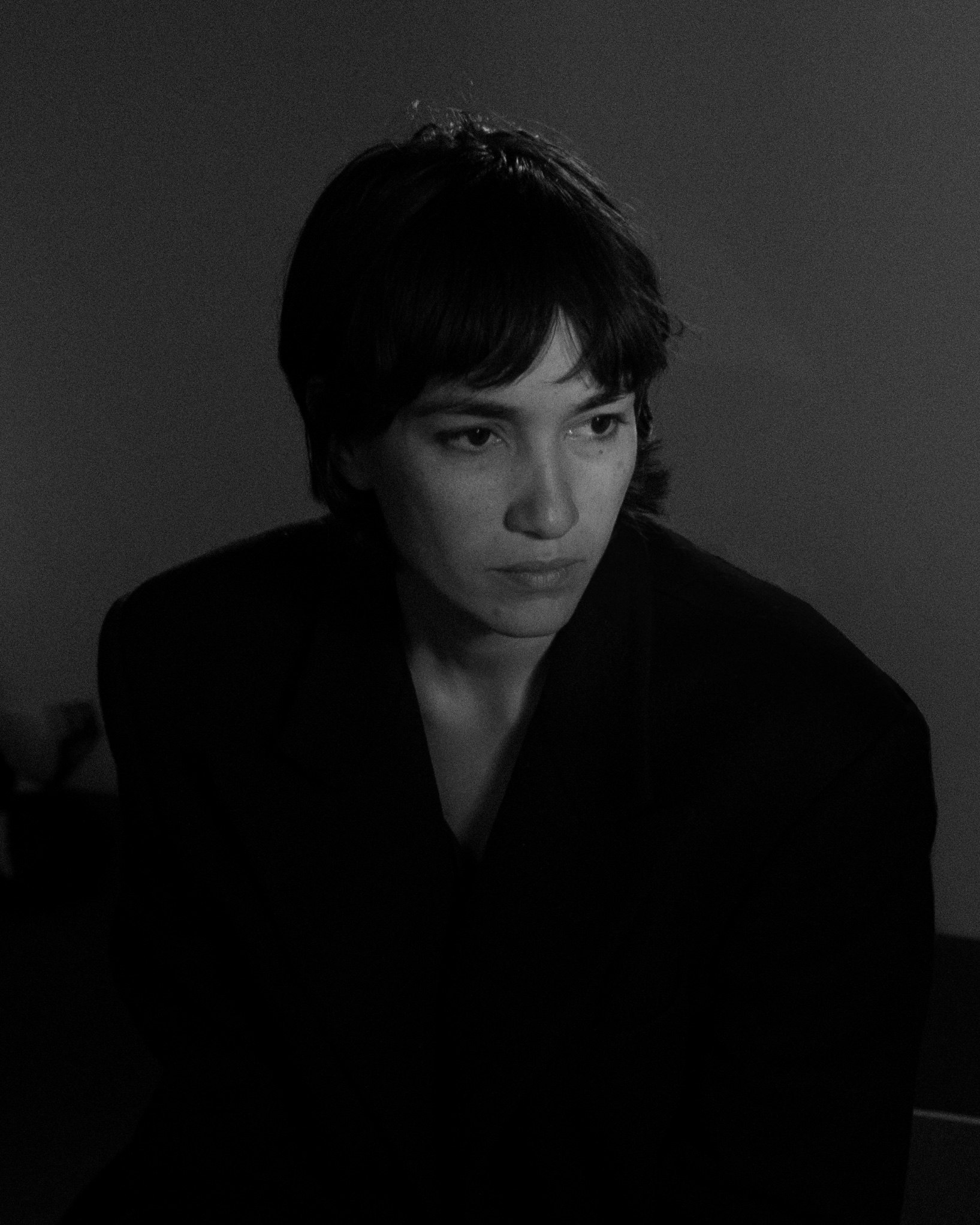
How to Paint Nothing: Taylah Hasaballah
Interview: Taylah Hasaballah in conversation with Eleonora Milani Images: Courtesy The Address Gallery Video: Tristan Jensen Sound: Blù Aloé
Interview: Taylah Hasaballah in conversation with Eleonora Milani Images: Courtesy The Address Gallery Video: Tristan Jensen Sound: Blù Aloé
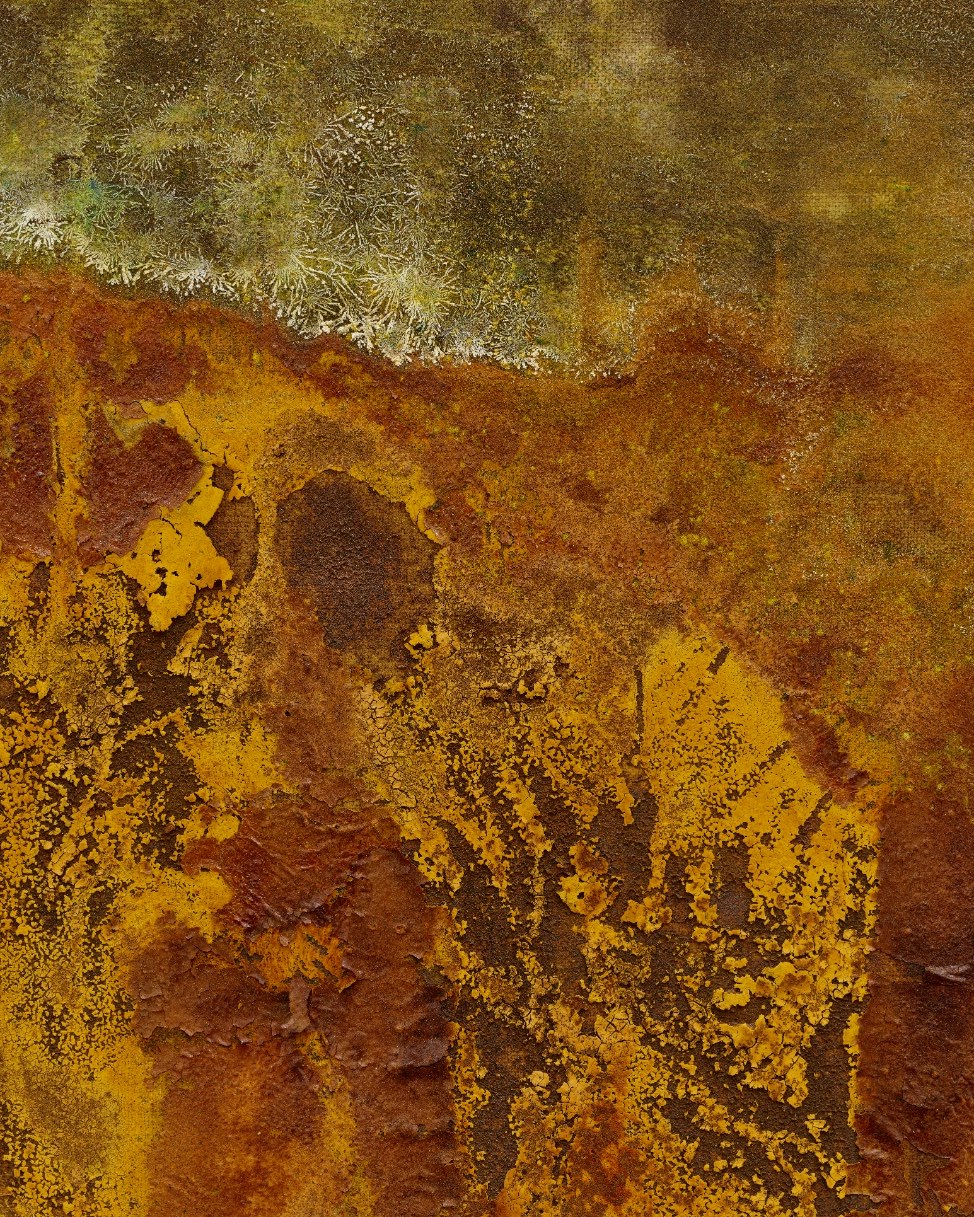
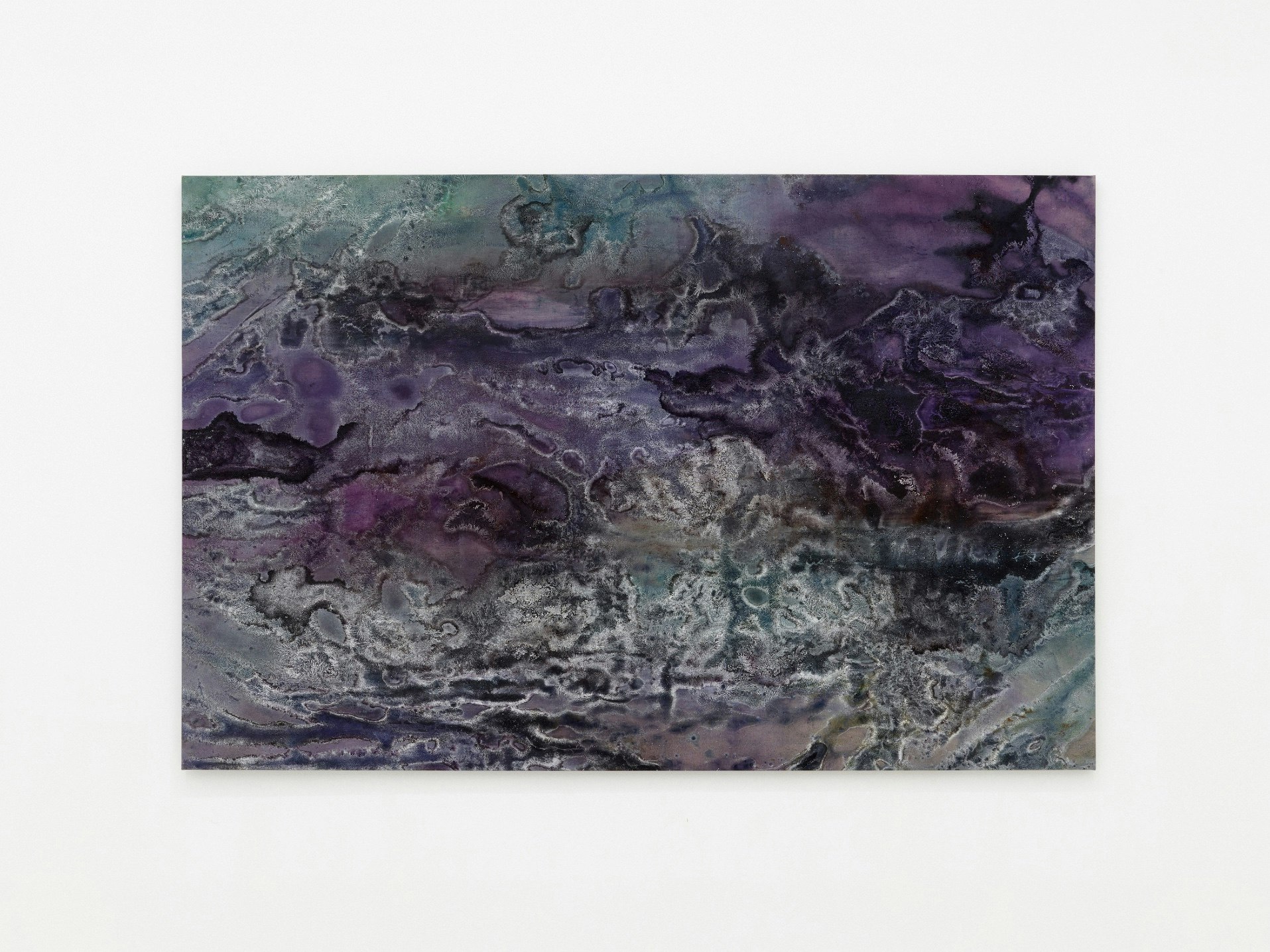
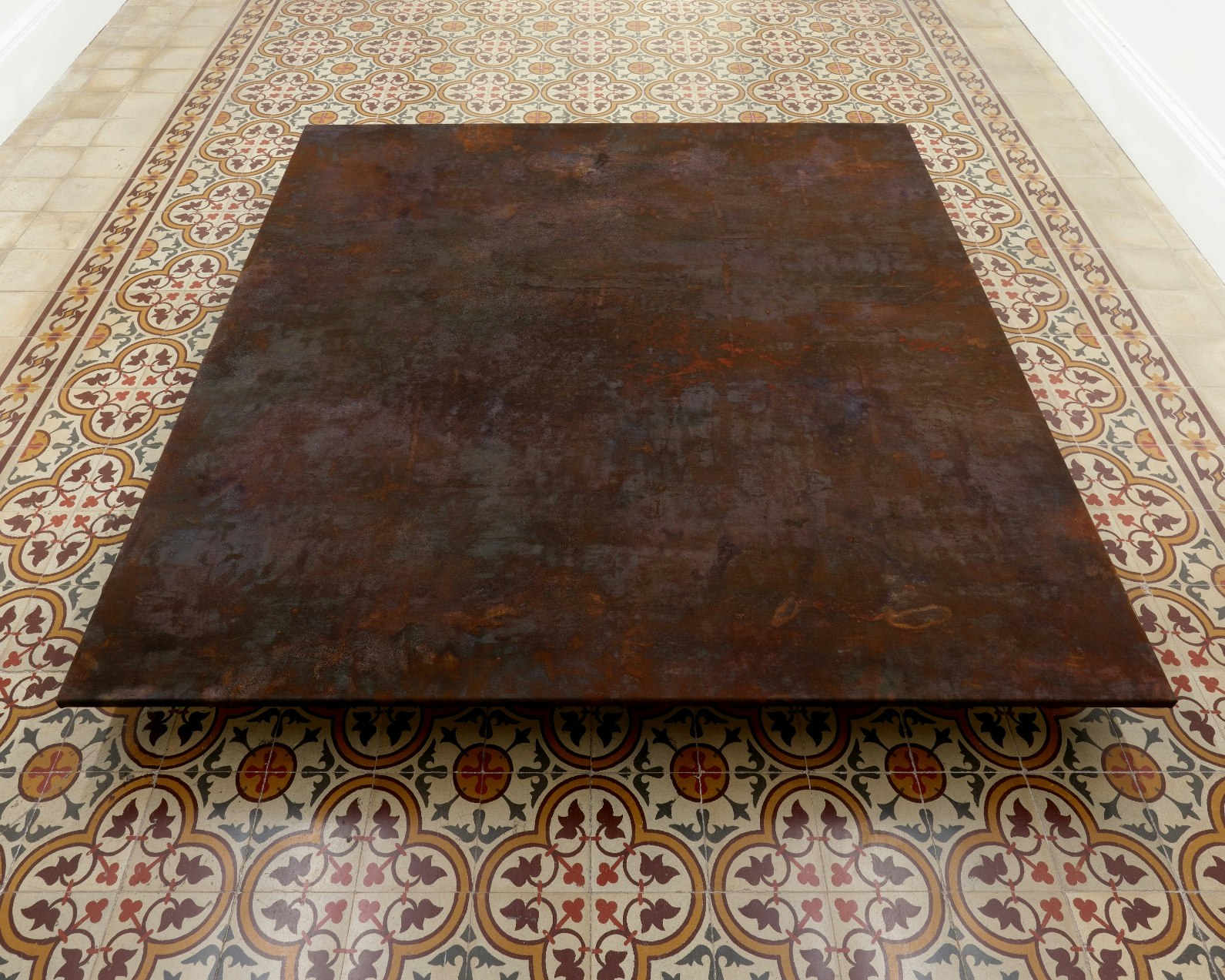
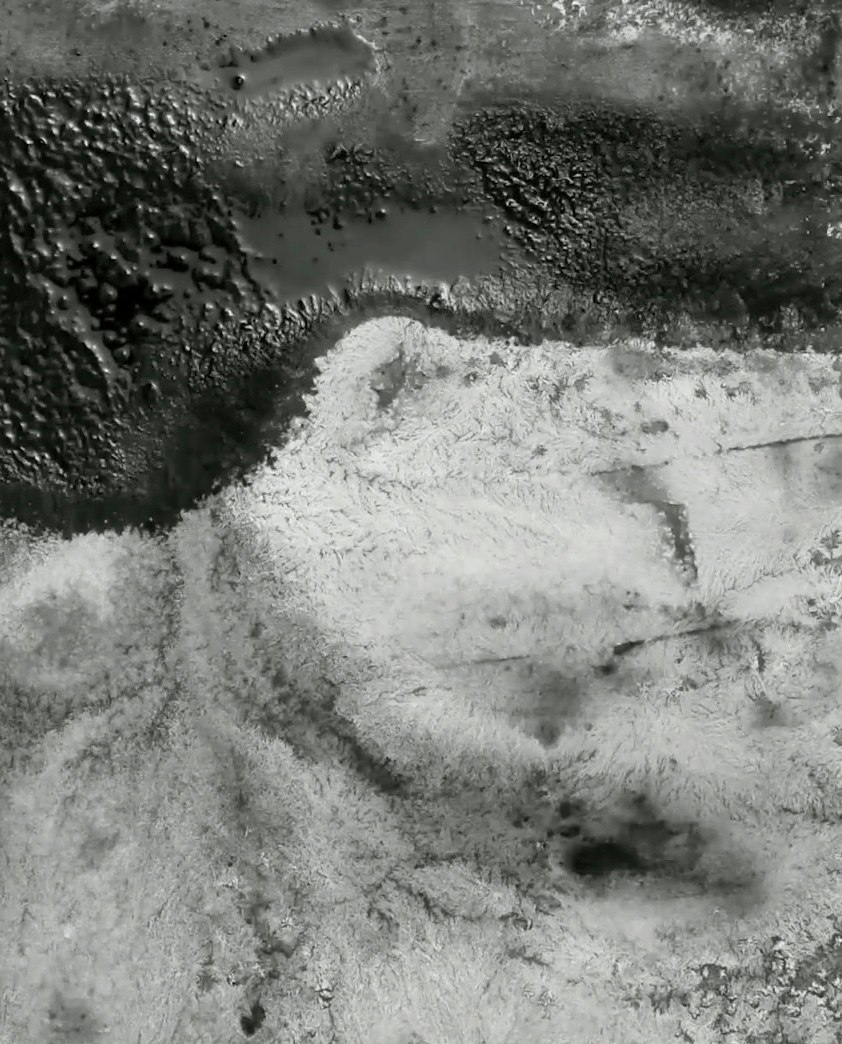
My conversation with Taylah Hasaballah began through INDICATRIX: Time Leaks / Causes of Extinction Unknown, a two-part exhibition at The Address, unfolding between Milan and Brescia, and marking the artist’s first European solo presentation. Developed over months of dialogue, the project became an occasion to think together through questions that run across Hasaballah’s practice: geology, material transformation, authorship, deep time, and the unstable relationship between observation and knowledge. Yet as our conversations evolved, it became clear that these concerns could not be separated from the broader ways she inhabits the world. From scientific inquiry to intuition, Hasaballah approaches painting as a method for participating in processes already in motion. What follows is a conversation about landscapes, surfaces, images, sound, collaboration, and time itself. Above all, it is a conversation about transformation as an ongoing condition in which change and continuity are never entirely separate. - Eleonora Milani


Eleonora Milani: I’ve always wondered whether we choose the things that obsess us, or whether they choose us long before we’re aware of it. When I look at your work, I see geology, transformation, entropy, deep time. But I wonder what came first. Was it an idea, a material, a landscape, or simply a way of looking? Taylah Hasaballah: I think for me, it was a question. I was interested in how can I take myself out of the painting more, separate myself from it, which started as the question, how could I paint nothing? Which turns out to be roughly impossible, I think, since even the act of painting is a choice. So there’s something in that. EM When you think about the person you were before becoming an artist, what has remained completely unchanged? TH I think there’s still a sense of materiality. I’ve always been very interested in physical material reality. And if anything, the work has only heightened that, that where we are, we’re not in a simulation, we’re not looking at a TV screen in our brain of our world, but that we’re physically here with the things around us interacting. That’s not changed for me. EM Is there a memory, an image, or a sensation from childhood that still accompanies you in the studio today? TH One memory that comes to mind is a book that belonged to my Egyptian grandfather, who was a chemist developing industrial dyes. After he passed away, I inherited it. It was essentially a collection of colour swatches he had created and developed. I still think about it often, not only in relation to chemical dyes, but also colour theory more broadly. EM That’s something we touched on in our conversations before the exhibition. Your relationship with geology never struck me as purely conceptual. It seems rooted in a particular experience of landscape, of scale, distance, and time. I’ve never been to Australia, but I imagine growing up there produces a very different sense of the world than growing up in Europe. Do you recognise that in the way you see? TH Australia for me feels as though there’s a sense of being immersed in a landscape that is of monolithic scale. I think growing up surrounded by that inevitably affects how you look at things. It becomes almost like an atmosphere. EM We often speak about Land Art through the lens of influence or reference. But I’m interested in inheritance. What do you think we inherit from the places where we grow up? TH I think that in the sense that were here and everything around us is here too, that our environments are intrinsically connected to us in such that where we grow up and our histories become a part of us too. So we are almost like we’re a record of everything that has touched us and affected us. And I think in that way, you can never really escape from that. It’s a part of you and you kind of have to accept the good and the bad parts and find a way to move forward and incorporate it into the whole. EM Since moving to Paris, has your sense of scale changed? Not only physically, but intellectually. Has proximity to Europe altered the way you imagine the world beyond yourself? TH Australia gave me a sense of this endless landscape and geological time. In Paris, I’m increasingly aware of layers of human history. It’s less a contrast than a shift in perspective. Living here has made me think differently about how different temporalities coexist within a place. EM There are cities that ask us to move quickly, others that teach us how to look. What kind of city is Paris for you? TH For me, Paris feels like a slow city. There is so much detail that you can keep looking and never quite reach the end of it. In that sense, it slows me down. The light is also very different from Australia. It’s softer, more diffused, and it creates a different atmosphere for observation. There is something about Paris that encourages reflection. EM Is there a place in Paris where you go when you need to think? TH I have a somewhat unique studio situation in that my studio is half above ground, half below ground. So when I need to think, I usually go underground and it’s very quiet.


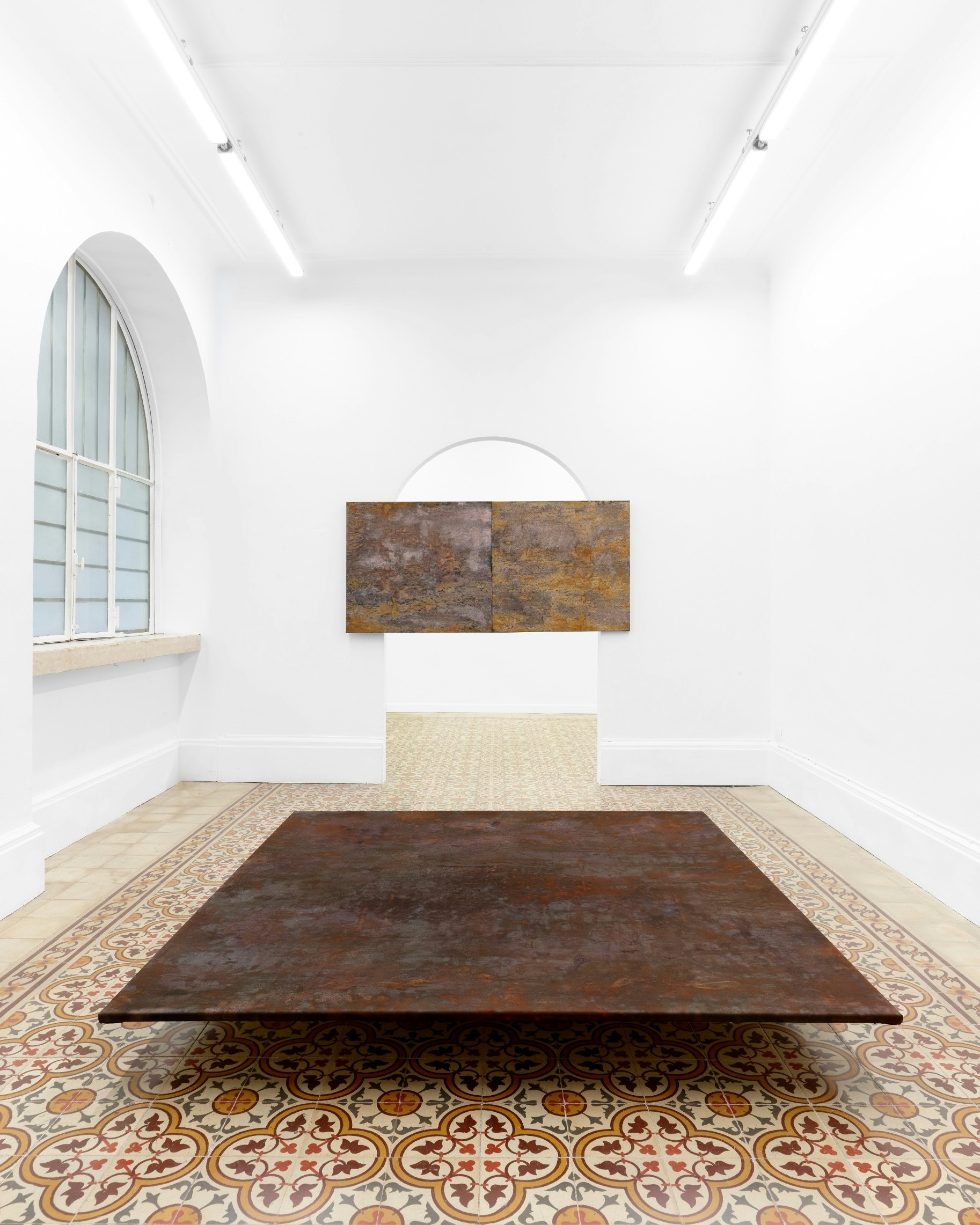


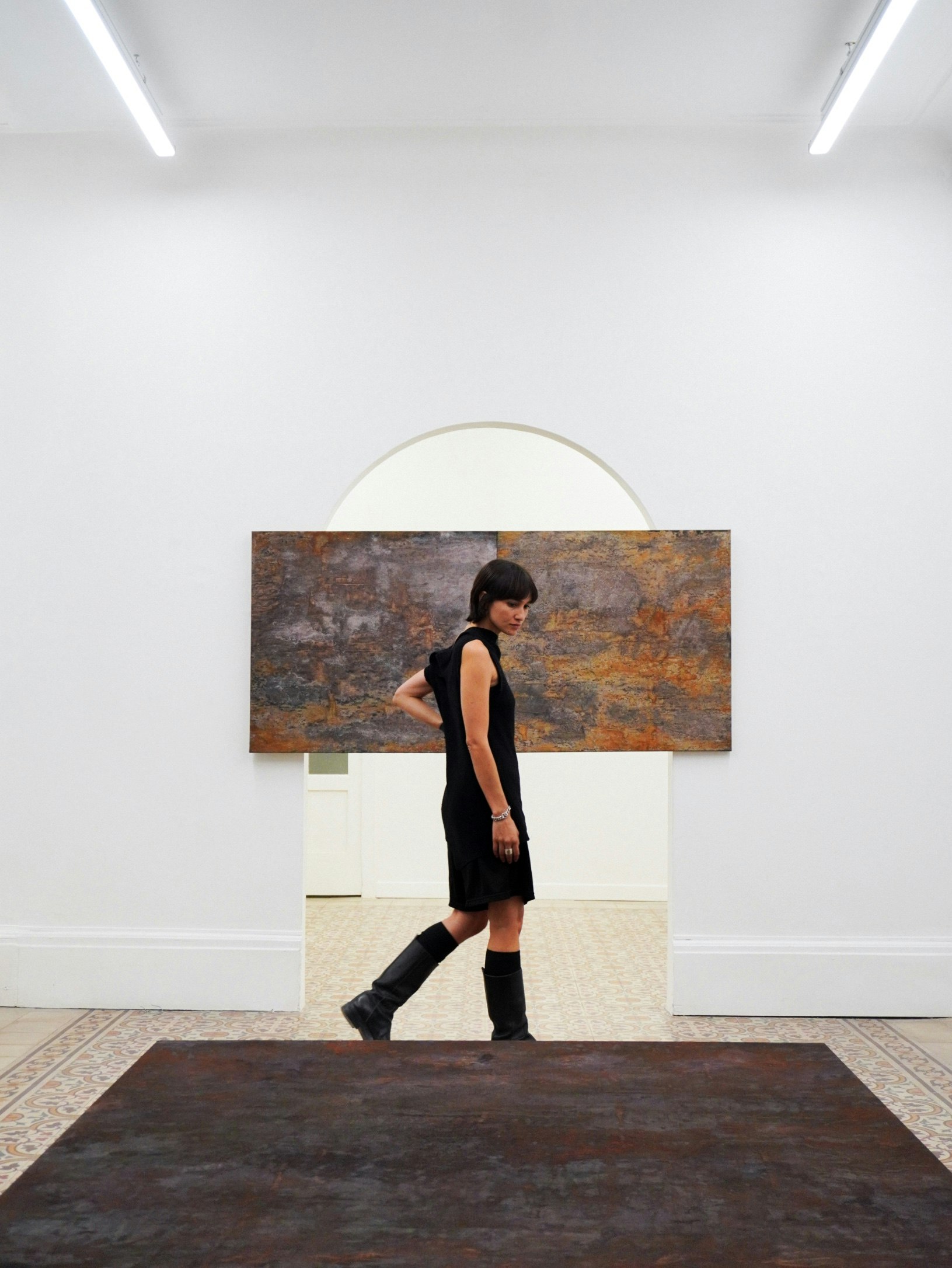
INDICATRIX: Time Leaks / Causes of Extinction Unknown
INDICATRIX: Time Leaks / Causes of Extinction Unknown
Eleonora Milani: Much of your practice seems to challenge human control and authorship. At the same time, we live in a culture that constantly asks us to produce and maintain versions of ourselves. How do these two conditions coexist for you? Taylah Hasaballah: I think it comes down to time. Even if you attempt to construct a fixed image of yourself, by the time you've finished authoring it, you’ve already changed. In that sense the idea of maintaining a static and definitive version of oneself feels futile. EM Looking at your work, I often find myself thinking about surfaces. Not as something superficial, but as a site where transformation becomes visible. I wonder whether that same sensitivity draws you towards fashion. TH I think so, for me I feel a strong connection to fashion, and also to jewellery. Our clothing is the fabric closest to our skin, while jewellery is perhaps the most intimate relationship we have with metals –– they bear the marks of how our hands interact with the world. I love the idea of a second skin, something that lives alongside us and changes with us. EM Are there designers, photographers, magazines or fashion images that have shaped your imagination as deeply as artists have? TH Big yes, for many different reasons. For designers Carol Christian Poell for his approach to materials, Ann Demeuelmeester, A.F. Vandevorst for their vision for women, Margiela’s materials and colour (especially SS03 with his blending silver and gold). And of course, Alexander McQueen (Joan AW98, Voss SS01) –– I still think about the runway design for Voss often. Photographers would be Minor White, Bill Brandt, Edward Weston, Judy Dater, Robert Mapplethorpe, and Man Ray (specifically the solarization). For a couple of years I took a break from painting to focus on photography and also used to read Ralph Gibson’s Lustrum Press books on the camera + darkroom. I always remember a line someone said once ––that taking a great landscape photograph for them required courage–– to be brave, going out on the ledge, pushing further to go where no one else would go to get the shot. I really like this idea, not just for photography but for art more broadly too. EM What kinds of images do you find desirable today? Is desire something you trust? TH I don’t have a fixed criteria for what makes an image desirable. I think you can do anything, and if it works you know it when you see it. There’s a certain energy or intensity that draws me in, or sometimes a question – wanting to see something I haven’t seen before. In that sense, I trust desire because so much of my practice relies on intuition and curiosity, followed by rigour (or visa versa). They’re in constant dialogue. Working with the materials I do requires a push and pull between planning and immediate responses, before there’s time for analysis. Desire can be a form of knowledge too. Sometimes it understands where you’re going before you do. EM Contemporary culture increasingly blurs the boundaries between artist, image and persona. Does that condition interest you, or do you find yourself resisting it? TH We’re moving towards a world where images and even personas can be generated and endlessly reproduced. What interests me in this dynamic is the role of material reality. The fact that we’re physically here, sharing a space, encountering objects, having conversations. An image or a persona can become a simulacrum. What continues to matter to me is the physical work, the physical experience, and the material itself. I like the idea of an artwork that brings you into a physical presence, instead of triggering an association in your mind which takes you elsewhere. EM Speaking in terms of decentralising the artist. The ego steps aside, the material takes over, and something begins to happen on its own. Was there a moment when surrender became more interesting than control? TH I was painting in a highly controlled way, and over time I realised that the work had become too tied to my own state of mind. If I didn't feel right, it felt impossible to enter the studio. I became interested in creating conditions where the work could unfold beyond my moods or intentions. The shift wasn’t really from control to surrender, but from self-expression to participation, or something less focussed on me.


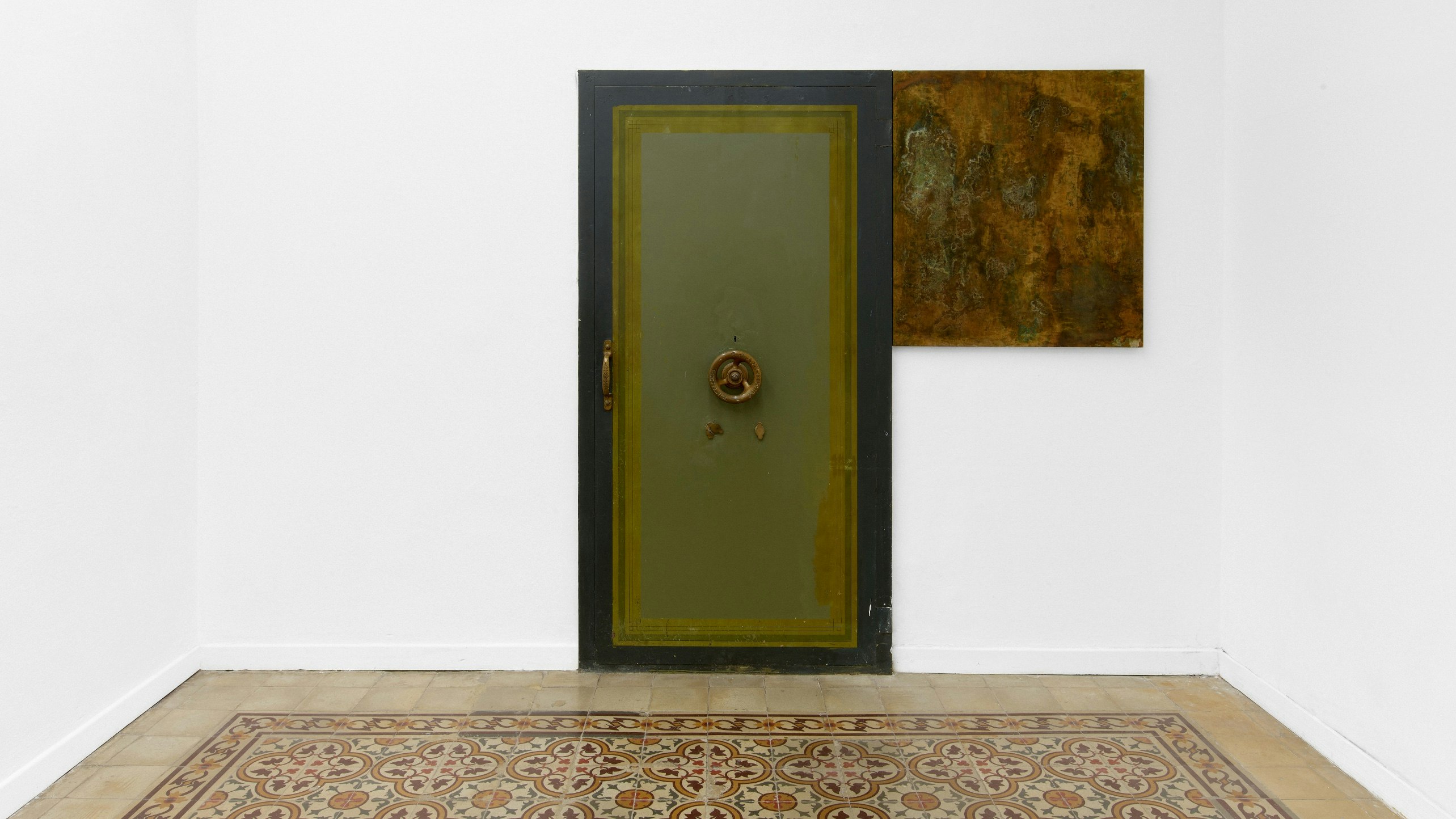
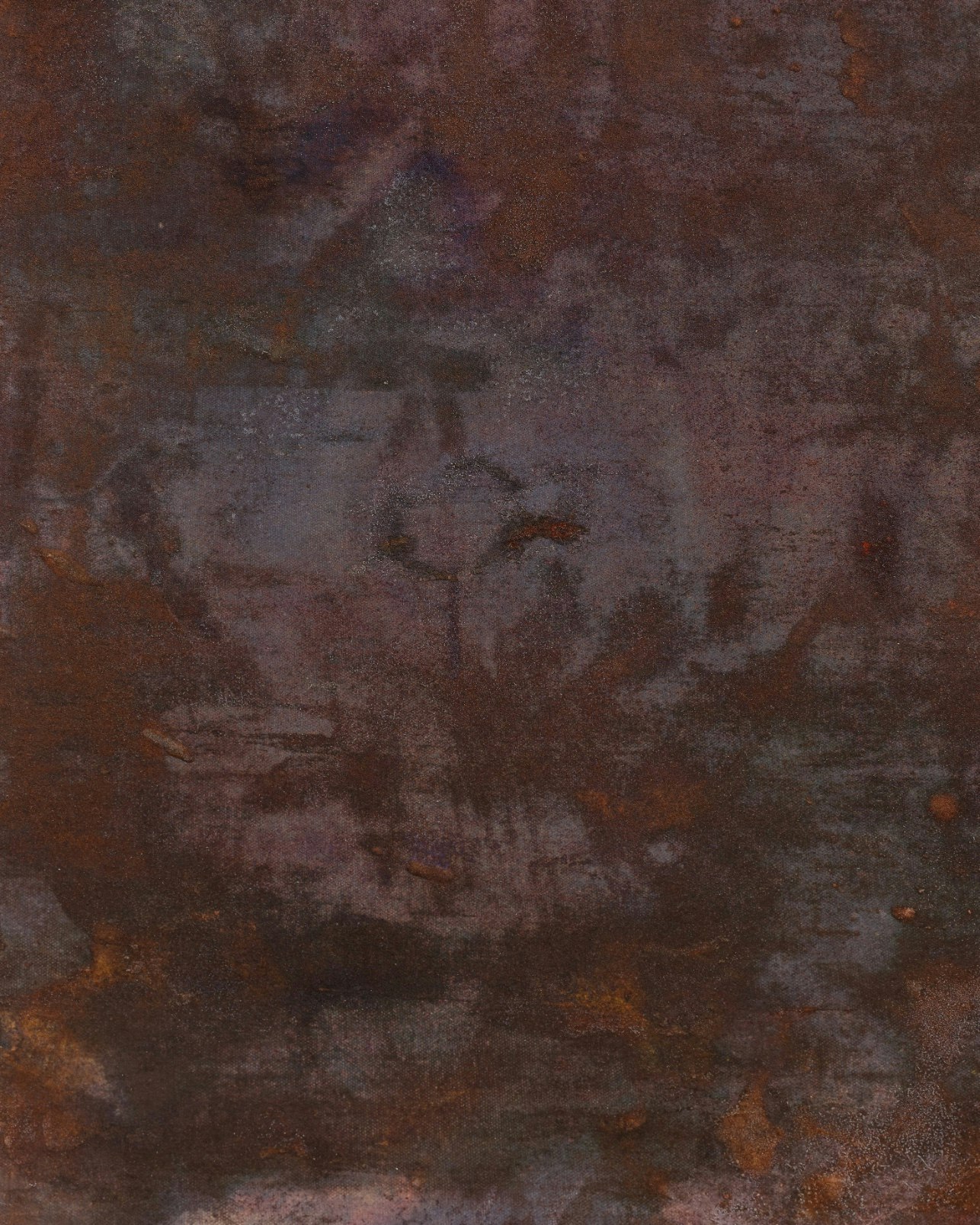
Eleonora Milani: Before studying painting, you studied science. Do those two ways of understanding the world ever come into conflict, or do they ultimately ask the same questions? Taylah Hasaballah: I think that they’re very complimentary. In science, you have the scientific method which is fundamental to experimentation. And I think as a painter, we can also do a lot of experimentation with different aspects. This also becomes a question of scale. To scale up a very large number of experiments, it helps to have some structure to keep track of it. But then the other part is an intuition about things creates a very good premise for an experiment as well. And I think that’s something that painters naturally understand: that you must follow that thing that is calling you to go to that place and explore even if you’re not sure it doesn’t make sense yet. And I think new discoveries in science can also come from that where someone has an intuition about something or they have a question or something like this, and then they can apply the structure of the scientific process in order to better understand it and start to see if they’ve discovered something there. EM Over the months we spent discussing the exhibition, I often had the impression that your works weren’t depicting geological processes but behaving like them. Do you recognize that distinction? Do you think of your works as images of transformation, or as transformations themselves? TH I think once you start to unpack what actions do suggest nature as an author, one direction you can inevitably arrive at is in the realm of geology, so I’m very interested in the ways we can translate geological processes into forming the works. It’s also fundamental to me that I do work with transformations themselves –– rather than a representation of a transformation. I don’t want the surfaces to become documentation, but the nature itself. Something I spend a great deal of time thinking about is how this same paradigm translates into the digital and installation too, sensors / systems. EM While working on the exhibition, we frequently returned to the idea that every translation produces a deformation. A geological process translated into an image, an image translated into language, a landscape translated into memory. Do you feel that distortion is something to resist, or something to embrace? TH I think it’s essential to embrace distortion as a natural phenomenon, while also pushing back against a negative interpretation of what it means. The notion that something is distorted as a “bad thing” is a moral / human centric judgement. Rejecting this perspective is something I am conscious of. It was also something we could explore through INDICATRIX, particularly within The Address' historic space in Brescia. Rather than resisting the characteristics of the building, we allowed the works to interact with them. In that sense, the site itself became another participant in the process. EM One of the aspects I find most compelling about INDICATRIX is the way sound extends the temporal logic of the works rather than simply accompanying them. Your collaboration with Blu Aloé seems to operate less as a soundtrack and more as another material process. How did that relationship begin, and what have you discovered through working together that you couldn't have arrived at alone? TH We’ve been friends for a long time, and then recently I worked on the artwork for the EP she put out on Downwards, and it felt that there was this connection between the landscape that I was making and the soundscapes that she was making that I though connecting them together in an installation context would be an interesting experience to be in the room with that, as another layer. And I felt throughout the collaboration, it was really fascinating to watch her go through the process of taking the samples, putting everything together, and just how much similarity there actually is in terms of process, and that she has these raw materials that she's working with as well. She’s putting them on different instruments and then producing an output. So, from that sense, I thought that it was very interesting to see this connection between music and then surfaces. EM Much of your practice involves translating material transformations into visual form. With Blu Aloé, it feels as though those same processes are becoming audible. Do you think sound allows certain dimensions of entropy, duration, or change to be perceived differently than images do? TH In the way that physical materials affect us, sound affects us subconsciously as well. So when you start to put these things together, I think it can be very interesting in terms of the experience they can produce. For me, I also feel as though it touches me in a way that feels very ancient because it’s tapping into these two different systems of perception that have been with us since the beginning of time.


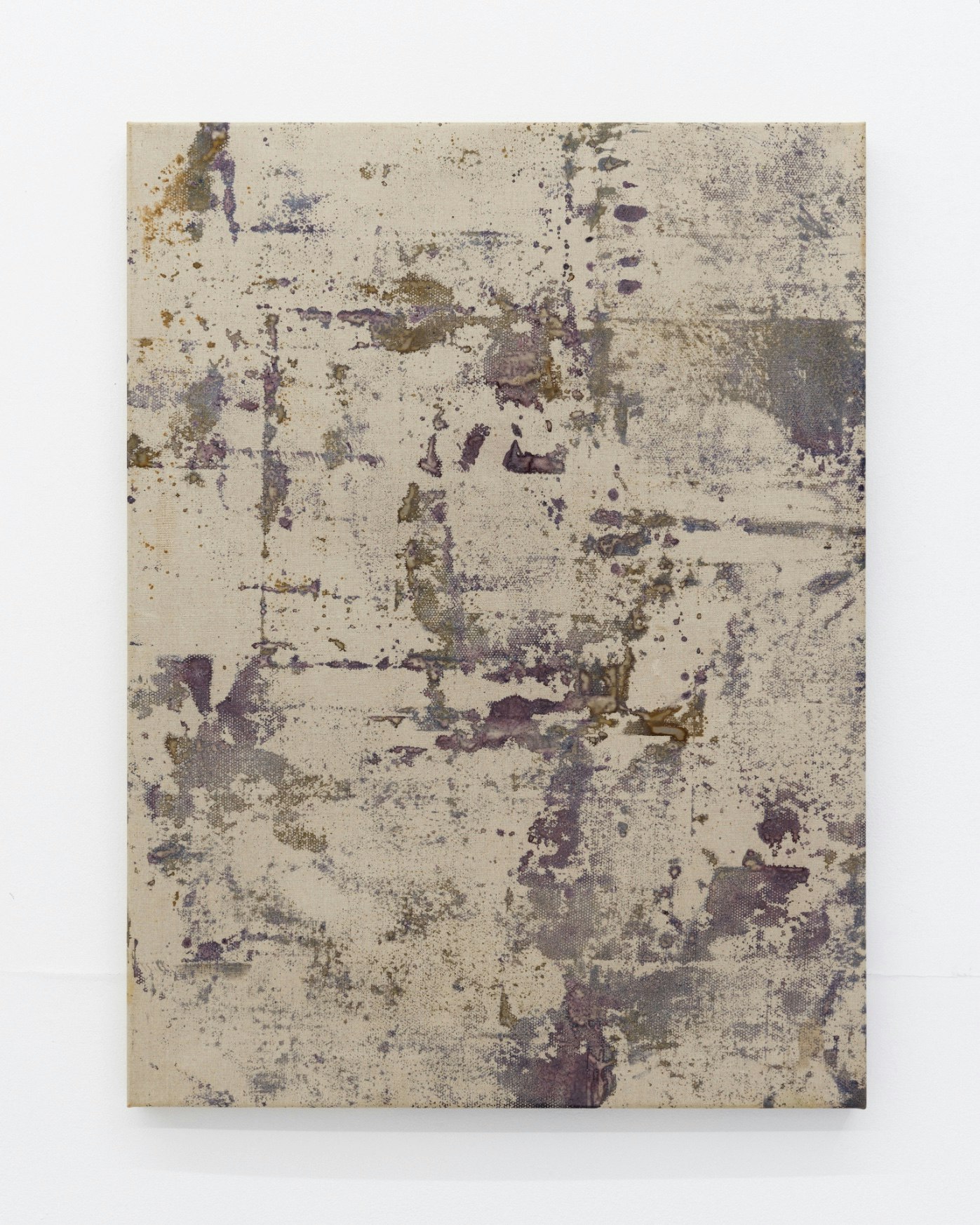


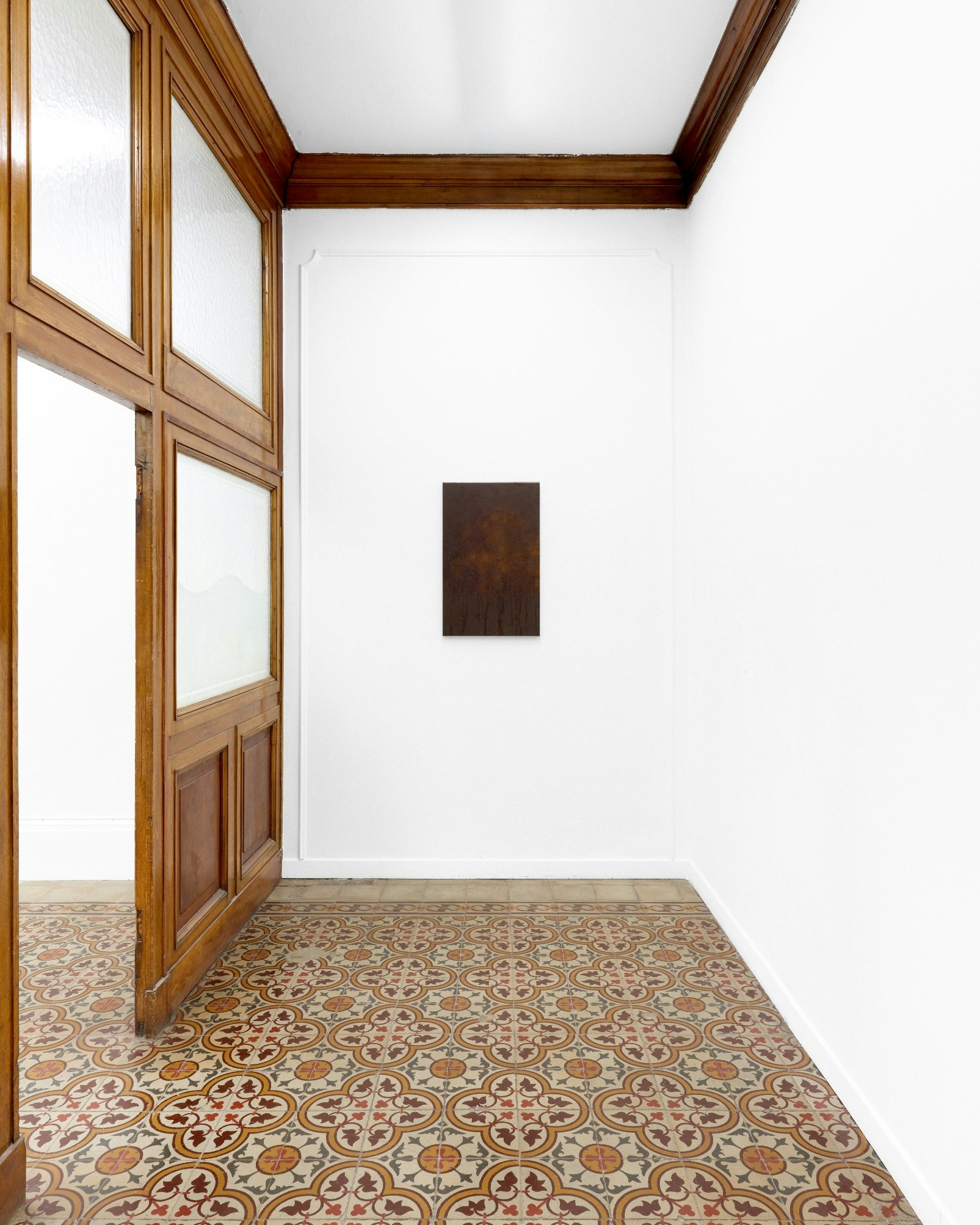


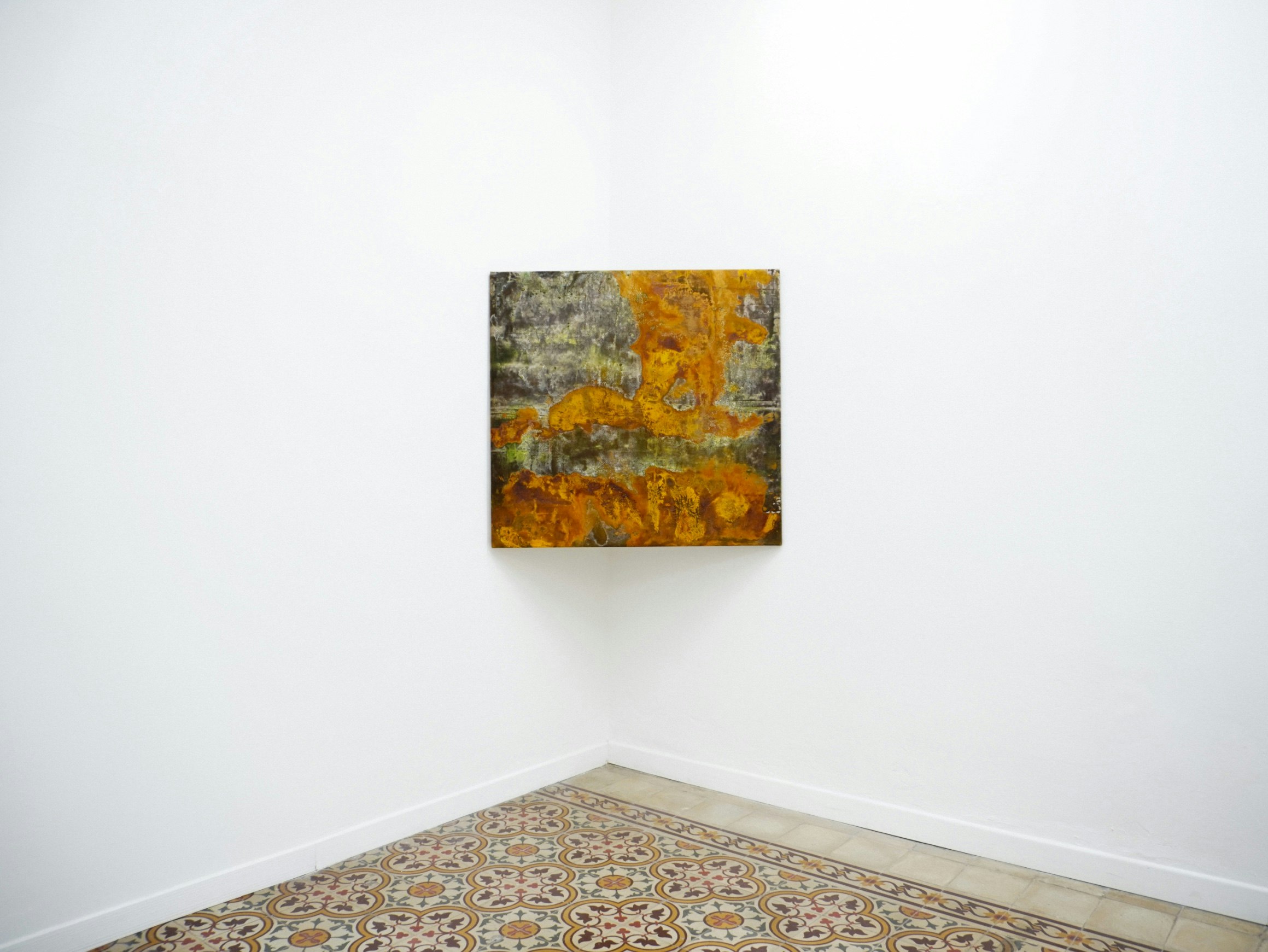
Eleonora Milani: You’re currently developing projects together across different contexts, from Berlin to Texas. I’m curious about what happens when a collaboration unfolds across places, disciplines, and time. Has working so closely with another artist changed the way you think about authorship, process, or even listening itself? Taylah Hasaballah: I like to work with a lot of different artists across the work that I create. I worked with Tristan Jensen on the 3D digital system for HEAT LOSS as well as Monty and Cal Callaghan for the sound for this. I’ve worked a lot with Jack Moxey as well, working on the stretching and some of the studio side. And Samuel Pinches was a thermal technician we’ve collaborated with. Also in this exhibition working with The Address and working with you. I think everybody brings something unique when they bring their perspective to collaborate. I think that it's a beautiful thing to be able to share in each other’s worlds like that. I think like any other part of the environment that the works are made in, it wouldn't be the same without these people because everyone's inextricably touching the work in that sense. So then I do think it’s important for that to be acknowledged as well, that everyone has these different parts. But if you start to think about the whole idea of decentralizing human authorship, then why would you need to have one person be the sole author anyway? That to me seems antithetical to the point of a lot of this. It’s about something that’s a bit bigger than just one person. So to me, it doesn’t seem like a problem at all to collaborate with people. I think if anything, it’s a beautiful thing. EM Before we end, a few brief questions about the books, images, works, and places you keep returning to. A book you’ve carried across different cities? TH Usually I have two-three books I’m reading at once –– which started to get bulky to carry, so instead I like to travel with pdfs I read on my phone or e-reader. Over the years I’ve organised them onto are.na so they’re all public. EM An image you keep returning to. TH I’ve had the Axe and Plow Field by Minor White up in my studio for the past six years. EM A work of art you wish you had made yourself. TH Spiral Jetty by Robert Smithson, or Reversing One’s Eyes (Rovesciare i propri occhi) by Giuseppe Penone. EM Spiral Jetty is one of the works I return to most often as well. It seems Smithson remains a shared obsession. A place you return to, physically or mentally. TH Mentally, I’ve been returning to La Isla Bonita all summer long. Still haven’t been physically yet… EM Your work often begins with the possibility that things might become something other than themselves. I wonder if there’s something in your own life that feels as though it’s currently becoming something else. TH I think everything is always becoming something else, though never entirely other than itself. EM Maybe the answer hasn’t happened yet. Some things only become visible with time. TH That’s entirely possible.

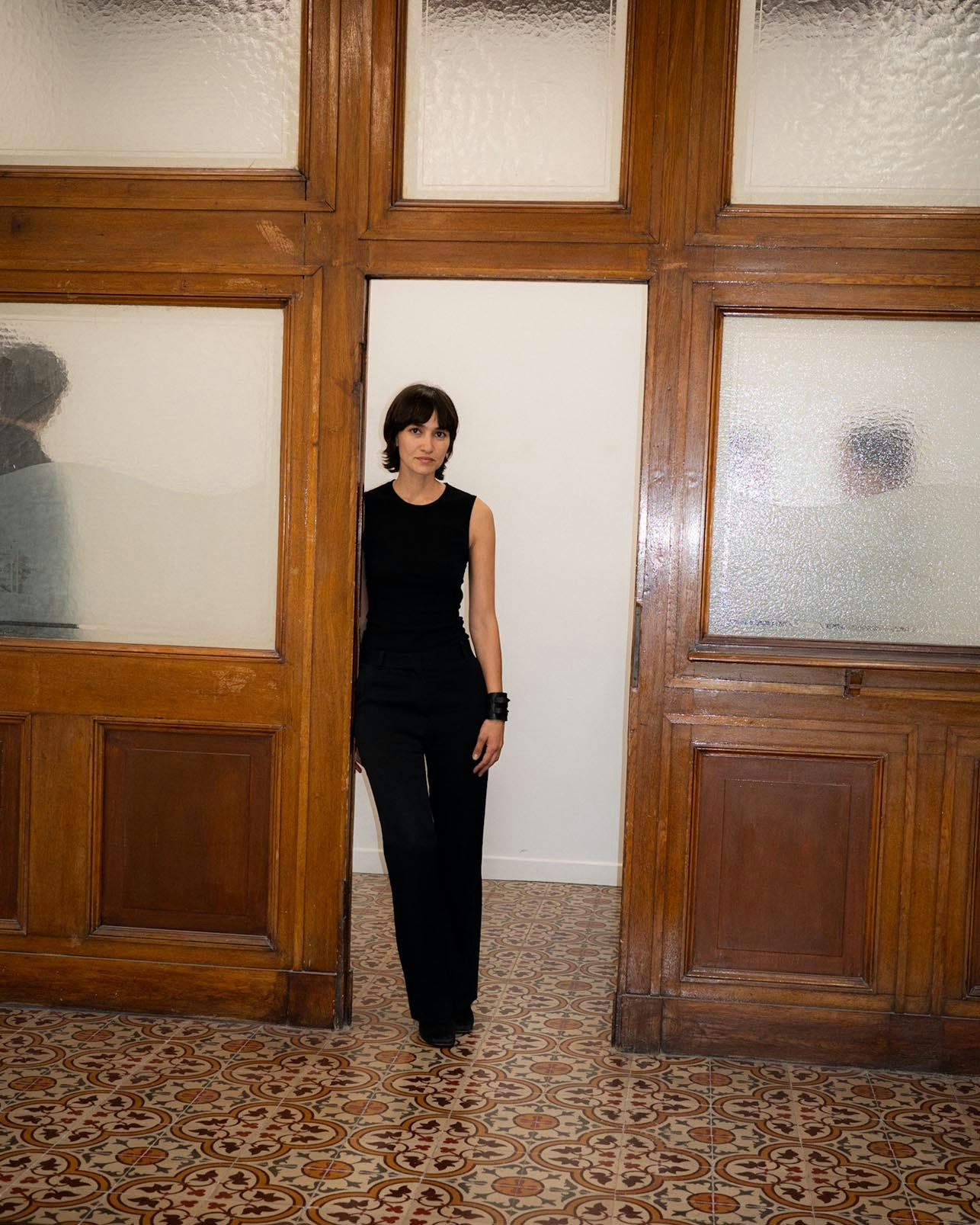
Image: Bastian Thiery
Image: Bastian Thiery