

MORE THAN A PLACE TO GET DRESSED
Words
BARTOLOMEO CELESTINO
Words
BARTOLOMEO CELESTINO
LOVEWANT's Editor-in-Chief speaks with Bayan Fanaeyan, founder of LÈ BAUS, about Australian menswear, the changing attitudes towards dressing and building a fashion label around a culture of its own.


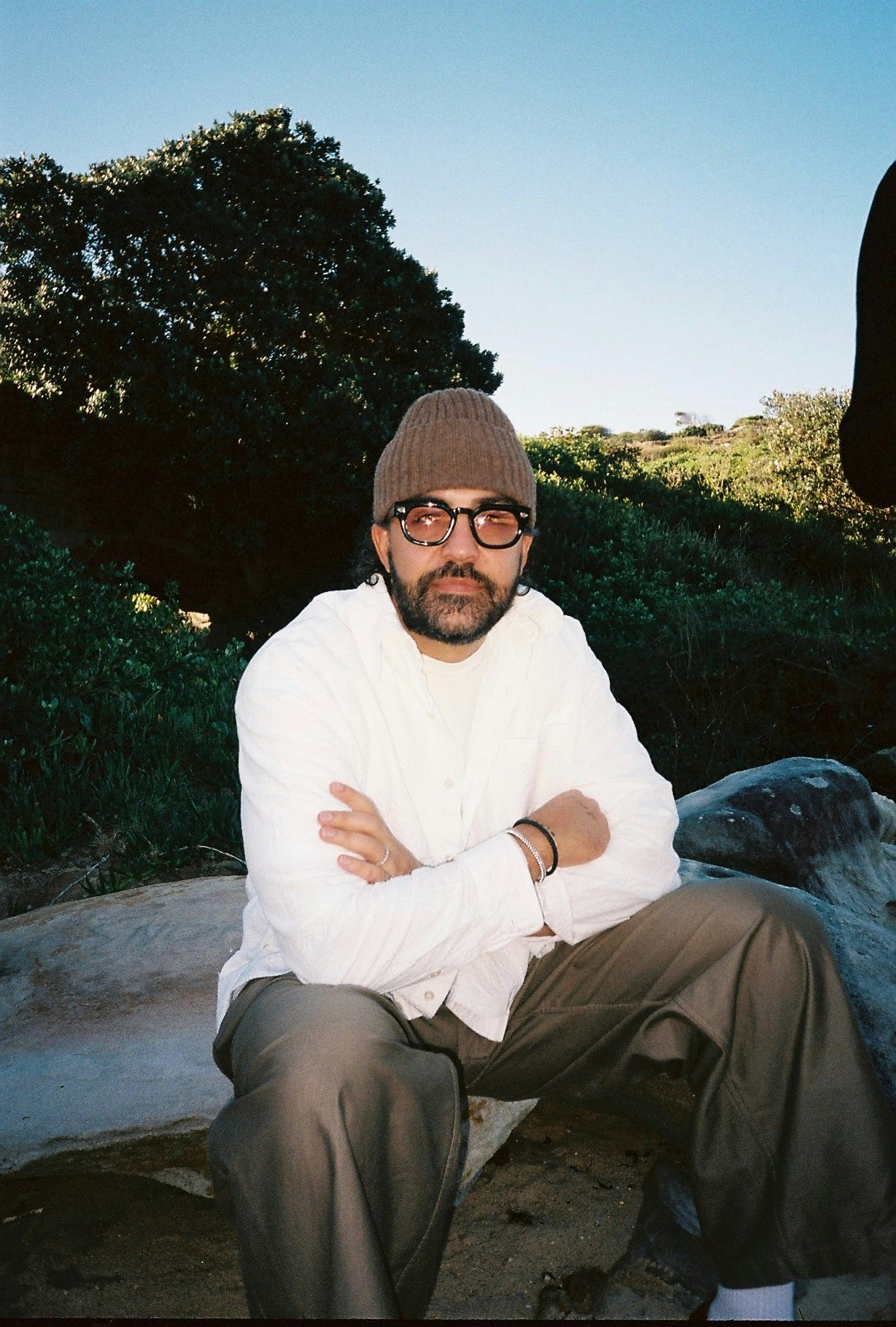
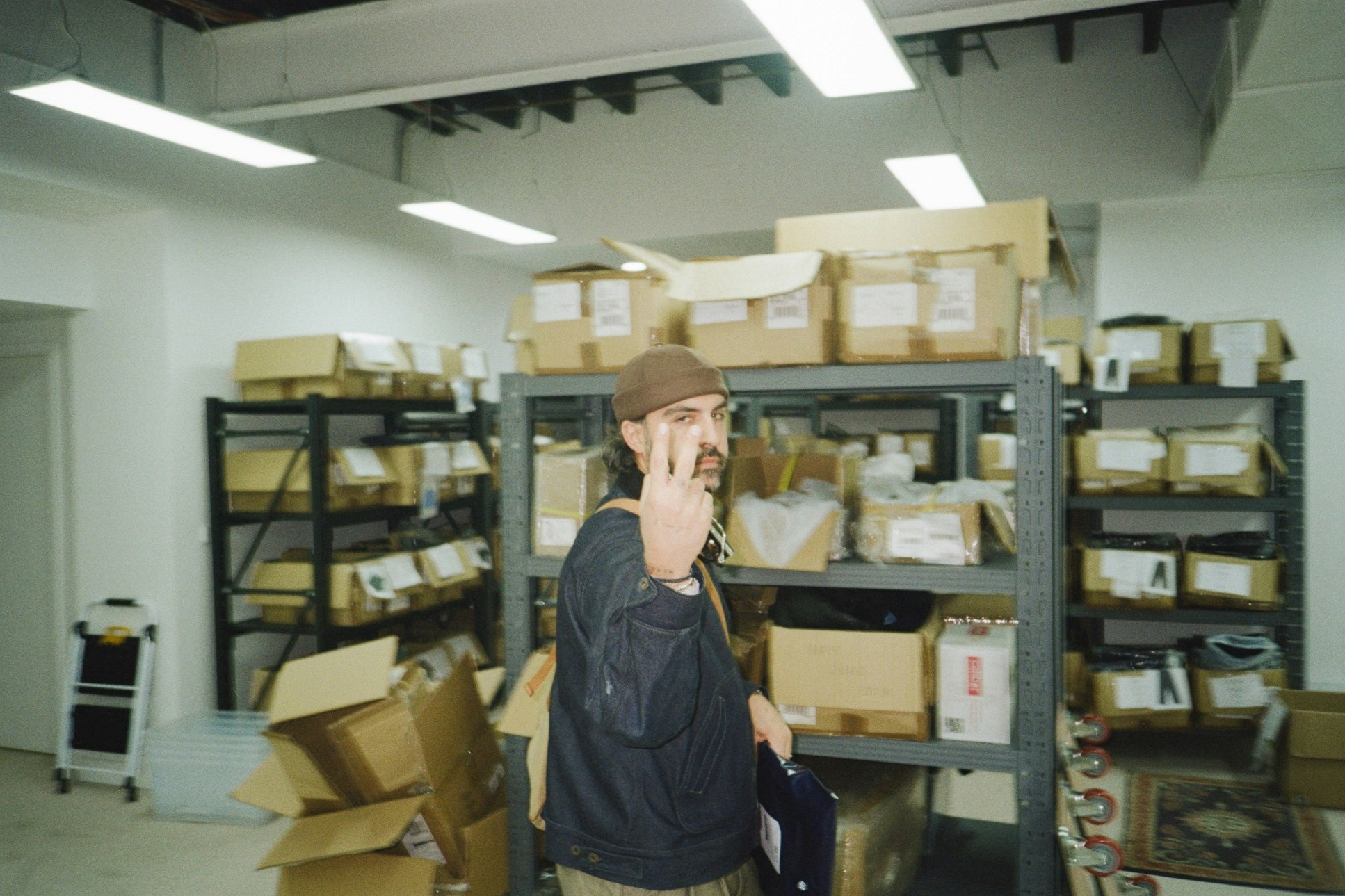
There's something interesting happening at LÈ BAUS. What began as a menswear proposition has become something of a destination, attracting an unexpected audience of women who come for the coffee and leave with a pair of oversized shorts or a jacket. Six months into its growing social-media popularity, the store continues to attract visitors as interested in photographing the space as they are in shopping.
For founder Bayan Fanaeyan, whose background is in tailoring, the crossover happened almost by accident.
"Naturally people would come through the store, like ladies would come from the coffee and then they'd be like, 'Oh, these shorts are cool,' or, 'This I could wear.'"
Seeing women working in the store wearing the collection encouraged others to try it for themselves. The oversized proportions lent themselves to a different customer, one who wasn't particularly concerned with whether the label described itself as menswear.
There is a peculiar relationship that Australian men have with dressing. Fanaeyan believes the country's casual disposition has created a certain reluctance to experiment, particularly when compared with the more instinctive approach to personal style found in European cities.
"When you go overseas, you always wear all these really cool things, or you buy all these cool stuff and you wear it when you're overseas, and then when you come back to Australia, you're like, 'I can't wear that.'"
"I feel like naturally we're just such a laid-back culture that if you dress too nice, people are like, 'Oh, where you going?'"
He also believes Australian men have yet to fully embrace the possibilities of layering.
"Personally, I feel like layers are lacked. Something that I love doing is layering and different colours and adding things, or even if it's monochrome, but layering."
His own approach begins with fabric and silhouette. Seersucker is a particular obsession, a textile he first encountered while working in tailoring. He recalls making six suits from it and has recently introduced the fabric into LÈ BAUS's summer offering.
"I just love the texture of it. And the breathability, the versatility, because you can make a chore jacket in a seersucker, which will be amazing. You can make a shirt, you can make a short-sleeve shirt, you can make trousers."
That appreciation for traditional construction has also informed his approach to manufacturing. Fanaeyan initially produced in Australia, but the diminishing local garment industry eventually made it commercially unviable. Today, LÈ BAUS manufactures in Portugal, where he can maintain the quality he wants without pushing prices beyond his customers' reach.
"Initially, when I first started the brand, I did manufacture here. And then when I got to a point that, outside of your general cottons for T-shirts, if I wanted to manufacture a jacket, they were just like, 'Can't do it,' or it was going to cost me a crazy amount to manufacture this."
The decision to move production overseas was a reluctant one.
"It's upsetting because I'd like to have that 'Made in Australia' and have the ease of going to my factory every week. And then you have to go overseas. Look, Portugal's amazing and it's an amazing country to visit and they do amazing things, but there's nothing like feeling like you're with your manufacturers."
What distinguishes LÈ BAUS, however, is Fanaeyan's understanding that clothing rarely exists independently of the culture around it. Jazz records, vinyl DJs and the atmosphere of the store are as important to its identity as the garments themselves.
"I think generally it's all about expression. The expression is the main thing, whether it comes from cars, watches, tattoos."
He's even considering installing a glass-walled recording studio inside a future retail space, allowing musicians to record while customers watch.
"I would love to do a recording studio in a glass box in a store. So it creates a place for artists to come and actually record, but also gives a vision of people who can sit down, similarly to how we're doing here, and watch how people do their thing."
For Fanaeyan, the store was never intended to be simply a place to purchase clothes.
"Which is what I really wanted. Sales aside, I feel like that will come."
International expansion is on his mind, hopefully within the next couple of years. Paris remains a personal ambition, although he admits that showing at Pitti Uomo in Florence would hold particular significance given his background in tailoring.
"I think Paris has just always been the fantasy since I was young."
For now, he's concentrating on establishing an identity strong enough to stand independently of trends or the constant noise surrounding emerging labels.
"I think it all comes down to knowing who you are as a brand and not getting persuaded by, 'Oh, this trend's happening or this is happening.'"
It's something he often tells younger designers who come into the store looking for advice.
"You gotta make sure you love this game because it can eat you up and swallow you. It's not a money game."
"And then two, put the blinkers on."

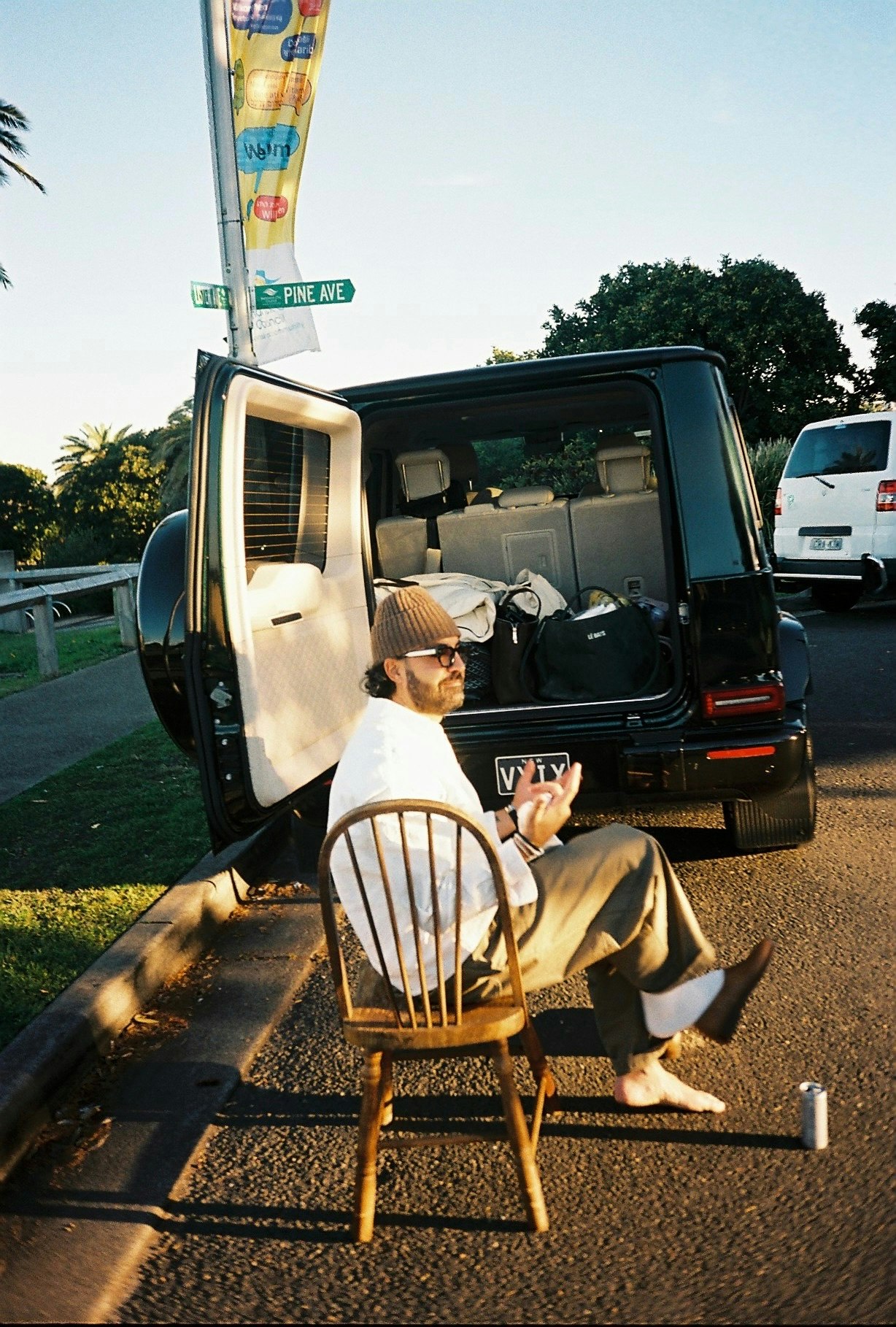
Words Bartolomoe Celestino with Photographs courtesy LÈ BAUS & Zali Albertiri