MAD PROFESSOR
Interview
Music Editor: Anthony Philip
Interview
Music Editor: Anthony Philip
CLASS IS IN SESSION WITH MAD PROFESSOR; A MAP TO DUB


MAD PROFESSORS MAP TO DUB
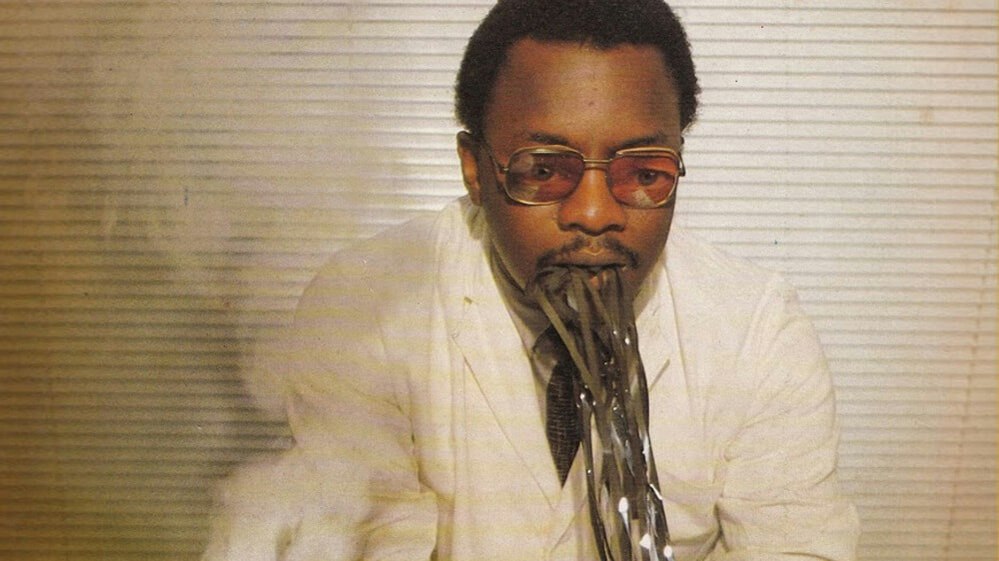
There are many scholars or professors of music that have dedicated their woken times purveying its enigmatic architecture; but I raise you Neil Fraser more well known as the Mad Professor; who has re-written the syllabus itself. Engineered and Built the modern pillars of dub music. There are very few who can claim such an expansive relationship with music that has traversed, inspired and crossed between genres and generations.
I was first introduced to Mad Professor through his interpretation of Massive Attack’s record Protection or in this case named “No Protection”. I vividly remember the freezing cold grey day in the urban modern wonder that is Canberra, it must have been in the negative degrees with sky painted that of cigarette ash when the title track Radiation Ruling The Nation flooded my ears- nothing will ever be able recreate that feeling.
The haunting yet soothing vocals of Tracey Thorn shift in and out; echo and bounce; stripped back yet soul quaking bass with a sense of urgency. There is a story being told through the rhythm, texture and space within the track.
The genre of dub itself if often described in familiar terminology; however reducing it to simply the sonic techniques may cause you to miss the bigger picture. For Fraser, his journey started with the mechanics and construction of radios, effects units, amplifiers and much more. He literally built sound.


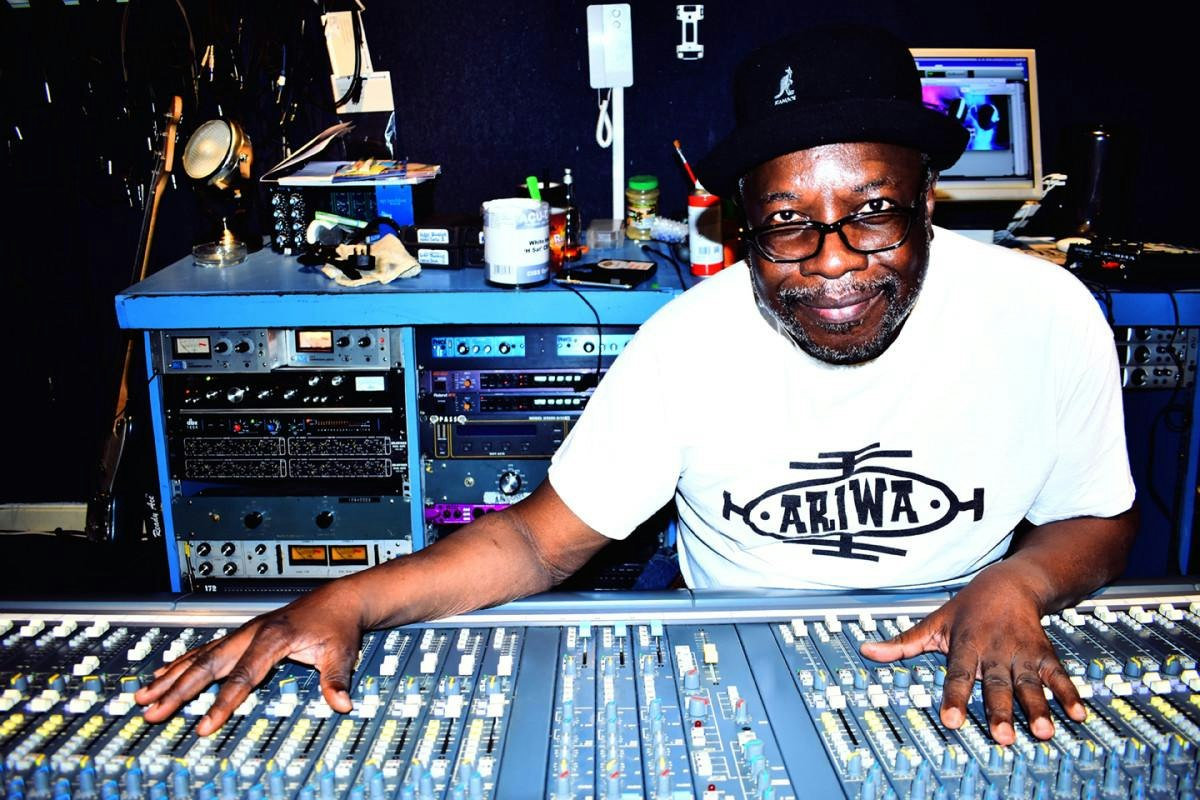
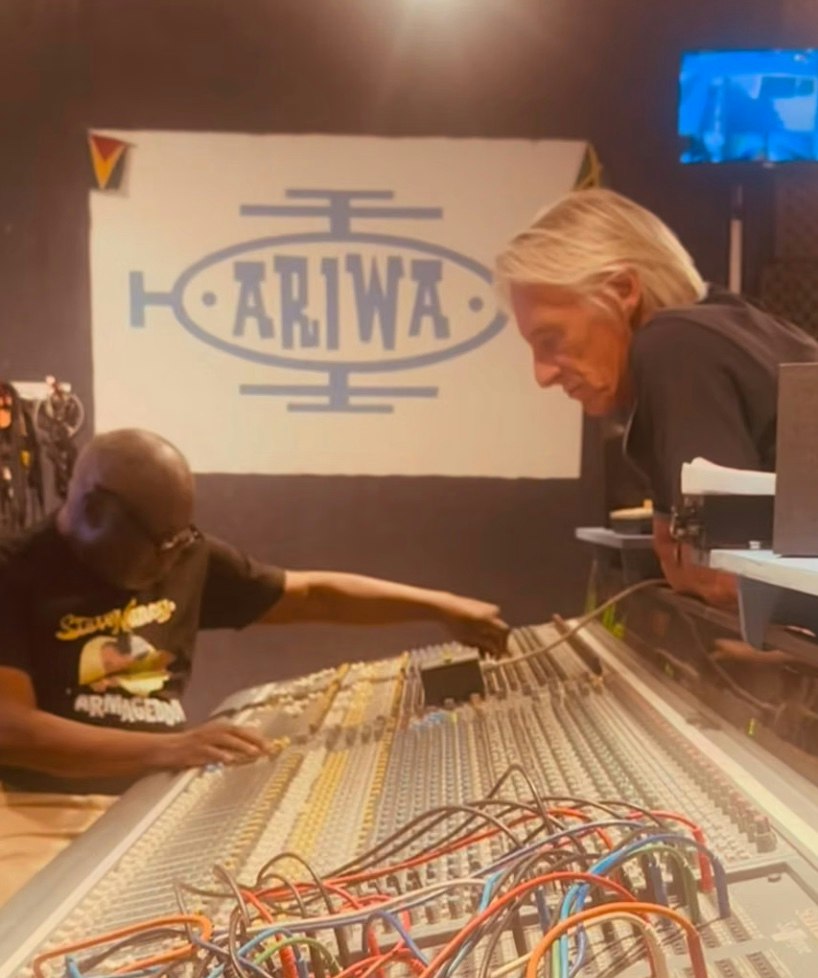
Through his time in South London Ariwa his “label” I see it more as a creative laboratory which became the home of British reggae, roots et al and the musicians of those sounds to develop and for Fraser a base to define his own experimental approach and in turn stretch the possibilities and influence of dub throughout musical worlds.
To understand dub is to understand the machinery the powers it. The engineer at helm is privy to the mixing desk and the multitrack tape. Between these two the dub master is able to manipulate in real time each element individually. By that moment the master like Mad Professor has used the tape as an delay bringing in repetitions in a cascade with their own life. That is just the basics, Mad Professor at Ariwa developed this relationship into turning one recording into its own new recording in real time. I can’t even begin to attempt to unravel the intricacies here; but there is beauty in this physical interaction… I mean Mad Professor built his first mixing desk and drew out this sound from the bottom up. Take No Protection for example; he used two synchronised 24 tape machines = meaning he brought 48 individual tracks together to reconstruct a new tape. Dub music is not just music it is a living breathing organism that works in hand with the engineer.
But the most enamouring facet of Fraser was his openness to make sure this language was not contained. His work is seen through Sade, The Orb, Massive Attack and many many more. Despite our advances in technology Fraser remains adamant to the powers of the analog professing that the sonic capabilities of the original dub masters are yet to be surpassed.


ARIWA Through his time in South London Ariwa his “label” I see it more as a creative laboratory which became the home of British reggae, roots et al and the musicians of those sounds to develop and for Fraser a base to define his own experimental approach and in turn stretch the possibilities and influence of dub throughout musical worlds.
To understand dub is to understand the machinery the powers it. The engineer at helm is privy to the mixing desk and the multitrack tape. Between these two the dub master is able to manipulate in real time each element individually. By that moment the master like Mad Professor has used the tape as an delay bringing in repetitions in a cascade with their own life. That is just the basics, Mad Professor at Ariwa developed this relationship into turning one recording into its own new recording in real time. I can’t even begin to attempt to unravel the intricacies here; but there is beauty in this physical interaction… I mean Mad Professor built his first mixing desk and drew out this sound from the bottom up. Take No Protection for example; he used two synchronised 24 tape machines = meaning he brought 48 individual tracks together to reconstruct a new tape. Dub music is not just music it is a living breathing organism that works in hand with the engineer.
But the most enamouring facet of Fraser was his openness to make sure this language was not contained. His work is seen through Sade, The Orb, Massive Attack and many many more. Despite our advances in technology Fraser remains adamant to the powers of the analog professing that the sonic capabilities of the original dub masters are yet to be surpassed.
AP
Hi Neil (Mad Professor); how’s things been with you, you’ve been crazy busy these last few months !
MP
You know alright, hectic as usual, I am back now in London at Ariwa Studios, but you know there is nothing like the present
AP
exactly right; and presently I am so grateful and excited to chat with you; I have admired and have been cruious about your blueprints for building dub music; I have always thought of it about equal amounts of subtraction and addition; you know removing the vocality of tracks, dropping instruments in and out whilst still creating immense space; One element I have always wanted to learn about is subtraction; how do you know what not to put into a track?
MP
Well, let me see, too be honest it starts in your head right, so you know what to put it and what to take out according to how your mind is going and focusing on what your mind tells you to. Your mind is the tool and what it tells you do to you work accordingly. It starts with a picture in your mind and according to that picture you create. Create a picture that holds the listener and you invite them into the whole scene through that.
AP
Totally I mean the mind is the tool that powers everything, as it develops that picture changes and I guess through that lens I am sure a lot has changed since you first started making dub. My guess is that the genre was perhaps aided by the limitations of technology in the studio; with the modern day era of endless possibilities through technological development do you find it harder to make interesting music?
MP
Well I haven’t really got involved in present day technology because as far as i am concerned present day technology has not improved dub in fact if you check the original dub-masters whether its Tubby (King Tubby), Errol Thompson, or even Scratch (Lee “Scratch” Perry), the electronic masters, their mission was to recreate the world and bring the instrumentalisation to as perfectly refined as possible that was their whole idea, whereas pro tools and digital recordings has not achieved the sonic capabilities of copying analog recordings. That is the main problem we have right now.
AP
Of course, that makes total sense the idea of imitation is not creation or even recreation; that argument holds truth in various expressions too; going off that and leaning more into your own recordings is there one part of the process that is the most essential to you?
MP
My ears, it is always my ears. it starts with my ears and then we take it from there; everything enters through my ears.
AP
For sure its the all truthful tool that tells you things as accurately as possible; sometimes I think some peoples ears like yourself are built on an upper echelon; I guess through your ears and that part of the process your tip for sound is always so great; I mean you have worked with people like Massive Attack, Jah Shaka, Horace Andy, Scratch and many more what makes an artist or a song interesting to the point of you remixing, dismantling and reconstructing through dub?
MP
Actually its good when I don’t know where the song is coming from cause then I can hear it in my own way because the artists and musicians see it in their own way and when it comes to me i totally relisten to it; I try not to know it before; then I jump on it; and that’s for everything including Teardrop (Massive Attack)
AP
Yeah right to see the sound for the sound as a blank canvas without the input of noise from whatever form that might come as; I need to live like that hahaha; dub itself has travelled extraordinarily far from the rockers in Jamaica cross pollinating itself in genres like punk, hip-hop, trip-hop and dance music even in contemporary genres; when you hear the influence dub has had now in different genres what do you think people understand or misunderstand about the genre?
MP
Ahh that’s hard, I don’t know, you know because everyone hears something different, I mean even us every time we hear something we hear it different; you know I don’t think you can misunderstand anything about dub; it depends how it reach you.
AP
Totally there is not a universal translation for sound; the interpretation of sound is so uniquely personal. I want to go a bit back into your mindset in the studio; you have had over 4 decades of experimenting with sound is there anything that can still surprise you in the studio when your making dub music?
MP
well, initially I just make recordings and then dub is the remix of the recordings; so it more depends on the day, the mood and the time but I don’t ever set out to make dub I set out to make recordings.
AP
Yeah, I really like that. You’re making the recording first and then letting the dub reveal itself afterwards. I think that’s a pretty beautiful way to approach sound. v guess that openness is probably part of what has kept the music so alive for so long. You can put the same sounds in front of different people, at different times, in completely different places, and somehow they keep becoming something else. Thank you Neil so much for your time and chatting with us
AP
Mad Professor what are you top 5 dub albums of all time; a map if you will of the best dub albums in your mind
MP
1. King Tubby, Lee "Scratch Perry" - King Tubby Meets The Upsetter At The Grassroots of Dub 2. King Tubby - King Tubby Meets Rockers Uptown 3. Mad Professor - Dub Me Crazy Part Four: Escape to the Asylum of Dub 4. Mad Professor - Dub Me Crazy Part Five: Who Knows The Secret Of The Master Tape 5. Keith Hudson - Pick A Dub
Nearing the end of our conversation I was curious to know about the things that still surprise him when making dub, and to my amazement he noted that he doesn’t make dub music he makes recordings, the dub comes afterwards. This was my favourite part of our conversation and opened my eyes as to why this sound moves so effortlessly between genres and generations.
Yoko Ono once noted “The only sound that exists to me is the sound of the mind”. I think we finished the interview around 1am Sydney time; when I was driving home this sentiment resonated with my talk with Fraser. After spending a lifetime manipulating the physical properties - I think perhaps Mad Professors greatest instrument is one we cannot see.