

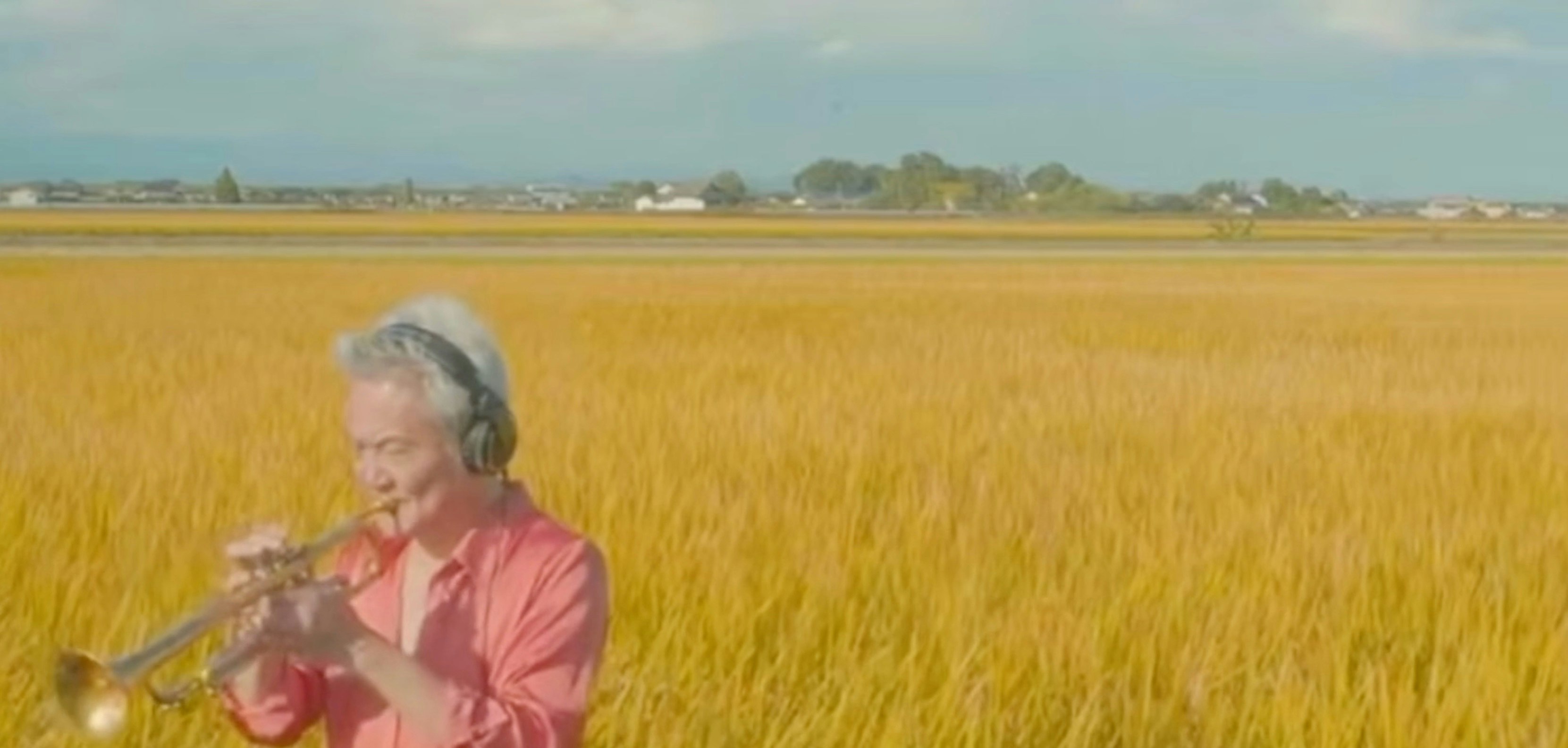
TAKUYA NAKAMURA EXCLUSIVE MIX FOR LOVE WANT
Interview & Words
Music Editor: Anthony Philip
Interview & Words
Music Editor: Anthony Philip
THE COURAGE TO JUST DO IT
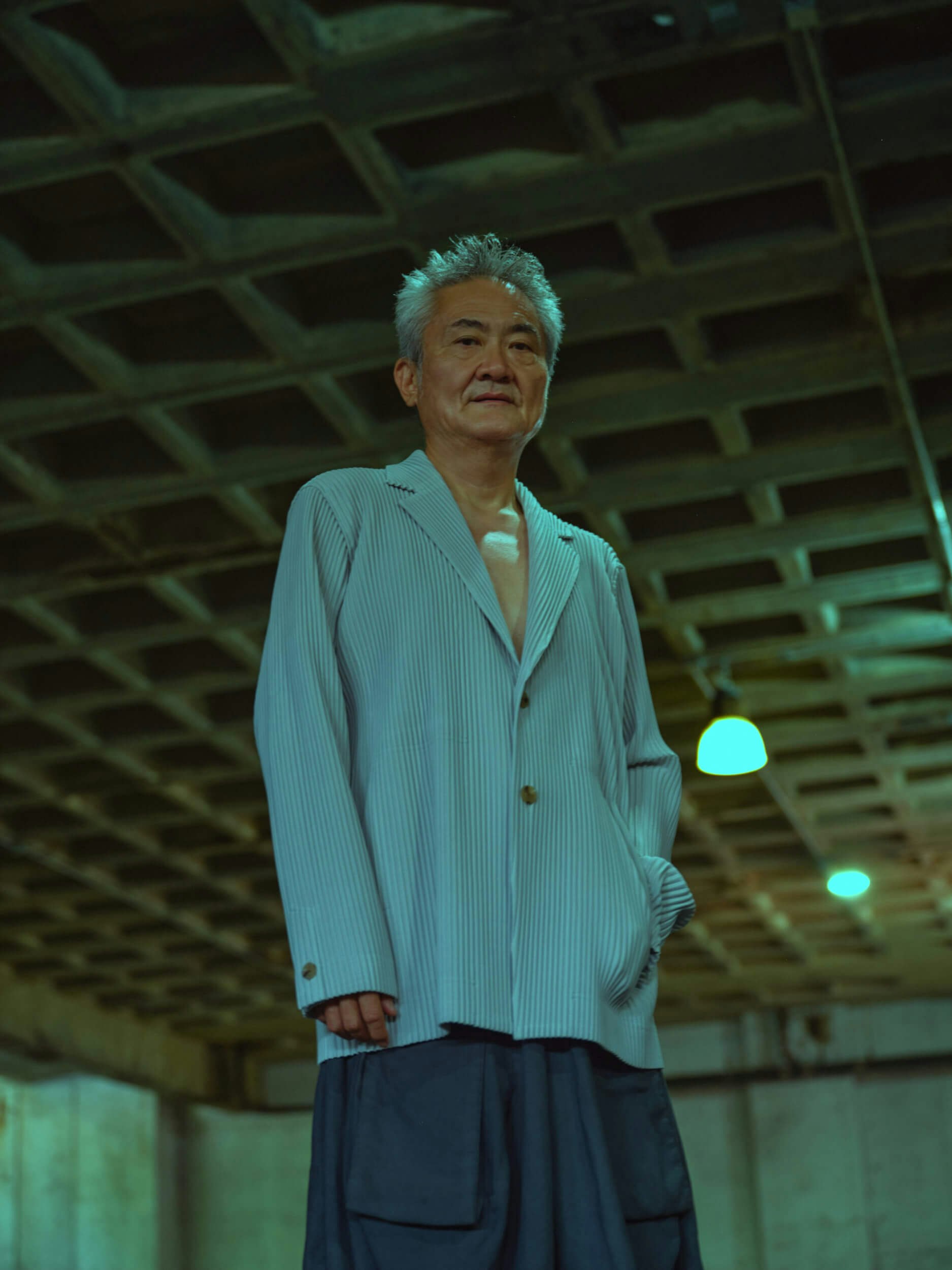
Courage; derived from the Latin root cor meaning heart. During my conversation with Takuya Nakamura one theme resonated with me more than any; ’the knowledge part is fuckin easy…it is harder to have the courage to just do it.


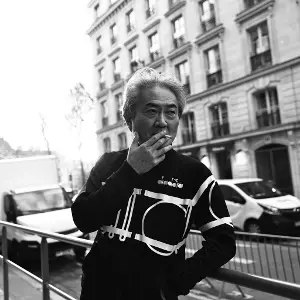
Nakamura is a difficult musician to place; but I think this is precisely the point. Japenese born; Nakamura’s CV on paper is remarkable; in the early 90’s Takuya (Tak), moved to Boston indoctrinated into the New England Conservatory of Music and studied under the legendary theorist and composer of Jazz; George Russell. Immersed in music theory and knowledge where this language was a means of understanding sound in the world. Interestingly throughout our conversation I found we were drawn to the distance between the learnt and the actions.
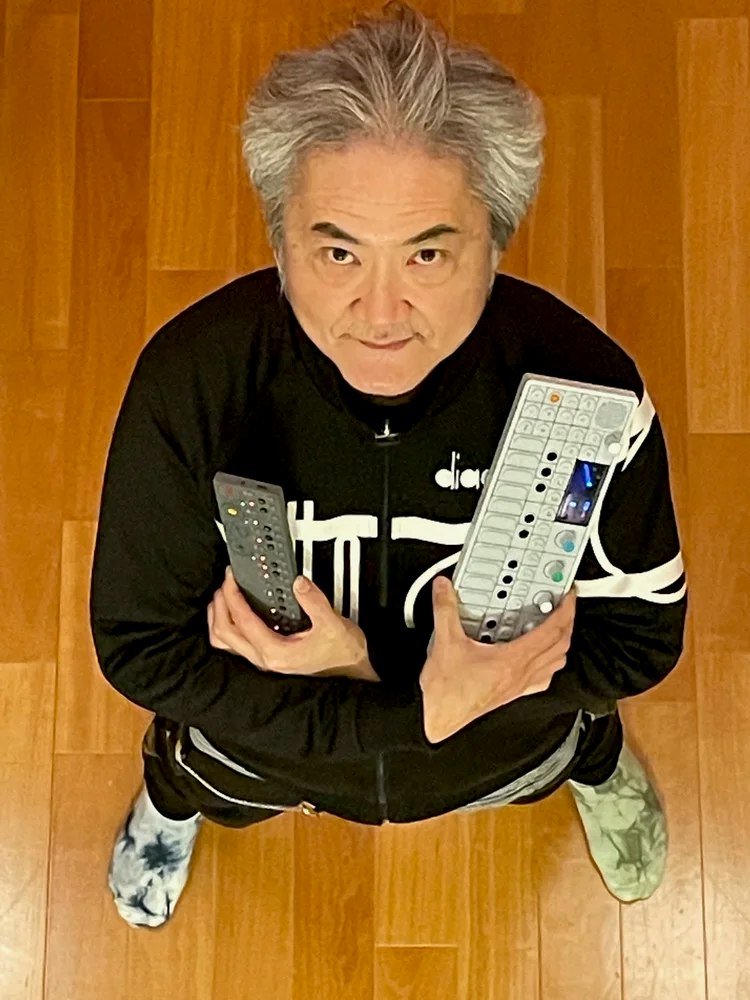
Tak’s musical vocabulary has since spanned decades developing one of the most detailed and multi medium expressions of music drawing from contemporary jazz, jungle, dubstep and electronic experimentation. Yet, these descriptors barely account for Nakamura’s performances. I remember discovering Tak a couple of years back; with his performance at MoMa Nights; I reckon I re watched the set at least five times over three or so days; I implore you to have your mind blown and go watch this performance. His sounds and performance are constant negotiations and exchanges that lies somewhere between composition, discipline, chance and courage.
Tak describes this ebb and flow between knowledge and instinct; this flow state between one listening and the other responding; it is this idea that is most curious to me especially seeing the connection broader between his movements between genres. For example Jungle music is often talked about in its personality of driving breakbeats, velocity and intensity; but for Nakamura he hears it very differently; he sees elasticity and ability to absorb and respond to seemingly anything and everything. I think this exchange is what makes Tak’s performances so compelling; there is a curious absence of excess. I questioned Tak on how ability to know what not to play; his answered so wonderfully uncomplicated; noting that sometimes you just need to leave space for people to inhabit their own world. Interestingly this idea rose that if you give too much there is a risk of taking something away from the listener. This paradoxical matrix of giving more by giving less. This philosophy remains an indication of the intelligence of Nakamura’s performances. For live sets that are abundantly rich in possibility Nak implores that improvisation is seemingly less about freedom but understanding the responsibility associated with it.


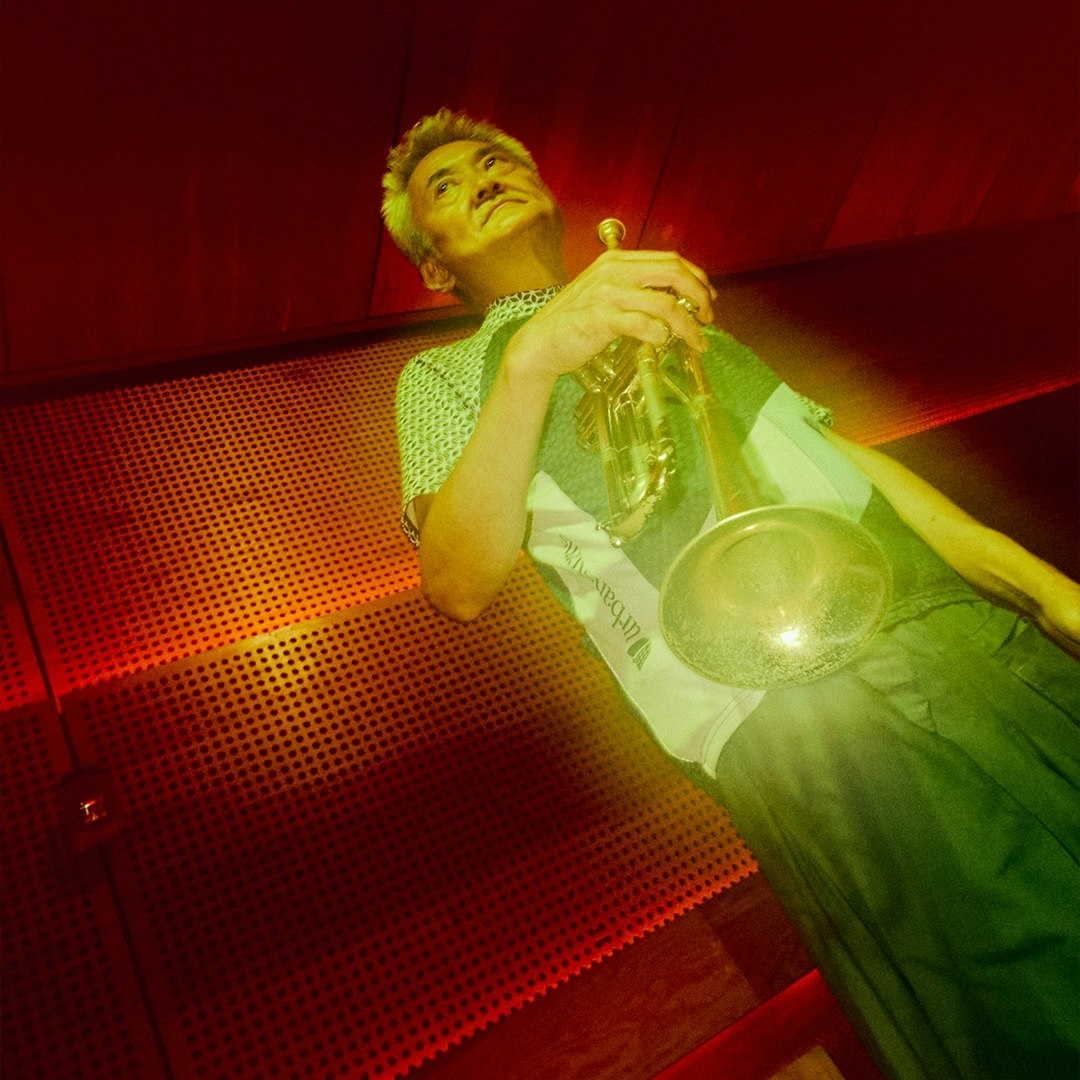
Towards the end of our chat we began sharing records with each other; Tak shared with me a track he found that day and was keen to play at the festival a hybrid dubstep drum and bass track entitled ‘Seeoux' by the artist ETCH; I fired back promptly with DBridges drum and bass track ‘Creatures of Habit’. It is hard to quantify such a brilliant mind; but to narrow it to its derivative I left with the word courage.


AP
Hi Tak, how’s it going, I am super excited to catch you play next weekend at Move My Way Festival; is it your first time over here?
TN
Yes, it is quite far away but I am excited!
AP
You’re coming at a great time the weather is just turning now; I assume conversely to New York. New York has had a huge impact in shaping you hey? I know from an academic point, you were able to study under the legend George Russell himself at the New England Conservatory of Music - I remember reading that Russell fed you this idea that theory becomes inseparable from instinct and music is all about being completely inside the moment - over your career what does being inside the moment look like for you when you are playing?
TN
well you know I come from Jazz, so we make decisions every moment, its not like well its always flowing you know; we are flowing and capturing. There is no recipe its not like you have to do this and you will be the best. It is more about seeing what goes good.
AP
Is there a dominant force for you between instinct and theory?
TN
Well it is both; you have to keep both; you have to have two minds going in some way, you see the moment from one side then from the other side and know when to move between them
TN
And dance music is similar in a way too - meaning jazz music is similar to dance its same same


AP
I see the connection; I mean you play everything from jazz to drum and bass, jungle, deep house; I remember an interview where you talked about jungle music being a bit more expressive and complex - what does expressive mean for you in this context?’
TN
I think it for me it goes back to the earlier times where it is a sample culture and they could take anything interesting and bring in the break beats, and that’s what we did back then and then we can open up things sonic wise, we want something different always and you know there is a template of sort by now; but it came down to people wanting something different seeing these elements work with the breakbeats similar to Bossa Nova in Brazilian music.
AP
Yeah I guess jungle most times is considered a higher BPM genre but draws influence from reggae to jazz and even Caribbean music and pulls them together.
TN
Right but also this music is kinda fast but there is also half tempo; we never have one temple always two tempos; so it is hard to put it in one place you look at one side then look at the other side
AP
That’s very true its a double sided coin; your experience and knowledge among so many different genres is so fascinating; I can only assume your experience in jazz alongside playing all these other genres has influenced your live sets. I know almost everything is improvised in these sets - I have been so curious about improvisation more so recently I have heard people describe it as freedom; but when I listen to your sets there is a remarkable amount of restraint - how do you know what not to play?
TN
You know when I know and i hear it; I play it; but sometimes I think maybe I shouldn’t give so much and leave space for people to be there own world and feel the beats and If i overplay well you know its like when some MC’s talk to much so I try to lay it back and let them be in their own world and dancing; giving them just enough
AP
Is there a scale ? How do you know what’s just enough.
TN
I know.
TN
It is a universal thing; and wherever I go I know


AP
It is definitely a special skill being able to draw from music theory but also experience and just knowing on the spot; that is a venn diagram I think many artists are always in the pursuit of
TN
Those things don’t come from studying they come from doing it; music theory gives you only the basic knowledge say harmonies for example; it it would be easier if George Russell was hear to explain it; it sounds complicated but it is not it is intuitional its nature; and that’s my anchor
TN
I have to feel it, I always need to trust my gut and people look for that and they love it; none of use know what we are doing; you can fake it but you can’t fake it in the music
AP
There is only so far the guise will get you hey; the music will reveal it all; I want to go back and chat some more about jazz. Jazz is such a beautiful artefact you know there are so many different expressions, cultural histories and movements especially in traditional but also contemporary and avant garden settings; but I feel like the newer younger generations are skipping the foundations and discovering jazz through snippets sampled in electronic music you know like deep house, broken beat or even down-tempo stuff; do you think that there is something capturing them in those moments that maybe the OG’ jazz purists missed or heard differently?
TN
ooooohhhh well there is a job element for us in the 80’s and 90’s there is jazz gigs and there was a necessity for places and those places had a piano or whatever and they play jazz but those places are disappearing; that means we don’t have as much of a chance to practice in public and that’s hard but you just need to go to shows and on the way you will find something that you can share with people but sometimes we can get too caught it up. It is unfortunate we don’t have as much structure and young guys coming to learn from the older guys but all the older musicians have been kicked out; in our time we all went to school today and play together and we played something but what does this mean to the world ? You know you would have a group of people who played music wanting to sound like Mingus and yeah that’s great but what Mingus was doing whatever he was hearing so we need that kind of situation again where people are open minded. You know you can mix dance music and jazz its the same shit anyway
AP
maybe it is because younger people are getting the full picture like you said they play stuff wanting to sound like Coltrane but Coltrane was hearing things in the moment and doing it - but now right young people hear a saxophone in a deep house record and then see jazz but in a different light
TN
Well that’s there life; there was nothing like that before you know they have connection with the situation they are in but you know right now it is not like that; so I am sure its hard for the young jazz musicians but also you know it is a job; you need to be really honest with what you like, you need to be serious about it, people need that more; its not like school; it is real life. Those things to be honest Jazz musicians don’t really think about it.
AP
You can spend a whole lifetime seeking that knowledge and experience; with the knowledge you have garnered over the years you’ve gotten closer to the mystery of music?
TN
Of course, yes yeah everyday, everyday I find it helps and least I understand exactly how the skill works not from the complicated theory but learning the concept
AP
Is knowledge the most important part of music for you?
TN
well sometimes but its both; but you have to always challenge yourself; if you are a DJ they are not sure if it works but it seems to work; but you think I should just do or wait and try to perfect it but when it works its magic and if it doesn’t fade out but those moments are important. Its a in the moment thing you know and you have to do more of that and the knowledge part is just fuckin easy if you know what your looking for it is harder to have the courage to just do it !
TN
And once you are doing it and the more you succeed you know what to do; it is hard to explain these things; sound is abstract its just frequency and somehow people to react to it; its hard to put into words but you have to just trust yourself and when it works its just amazing
AP
When its hot its hot hey?
TN
Don’t focus too much on practicing just do it; you know jazz musicians back then every one sounded different so its important to have your own voice; at a point stop copying other people just be strong to yourself doesn’t matter if its obnoxious
AP
Exactly that is the mantra; I am so excited to see you play next week at Move My Way Festival; this conversation has got me so thrilled to see you; are there any records you’re super keen to play next week?
TN
Well I am not bringing records this time but I have some new songs; one me and Tim Reaper made together that’s exciting to play but I find so many good tracks all the time; actually I found something really great today let me find it and show you
TN
It’s called Seeoux by ETCH and it is like a mix of dubstep and drum and bass but it is awesome
AP
*proceeds to listen to the track - man this is fresh it feels very full, dark yet danceable you should listen to this record I found it a few days ago and have been rinsing it its called Creatures Of Habit - Dbridge
TN
Thank you.