

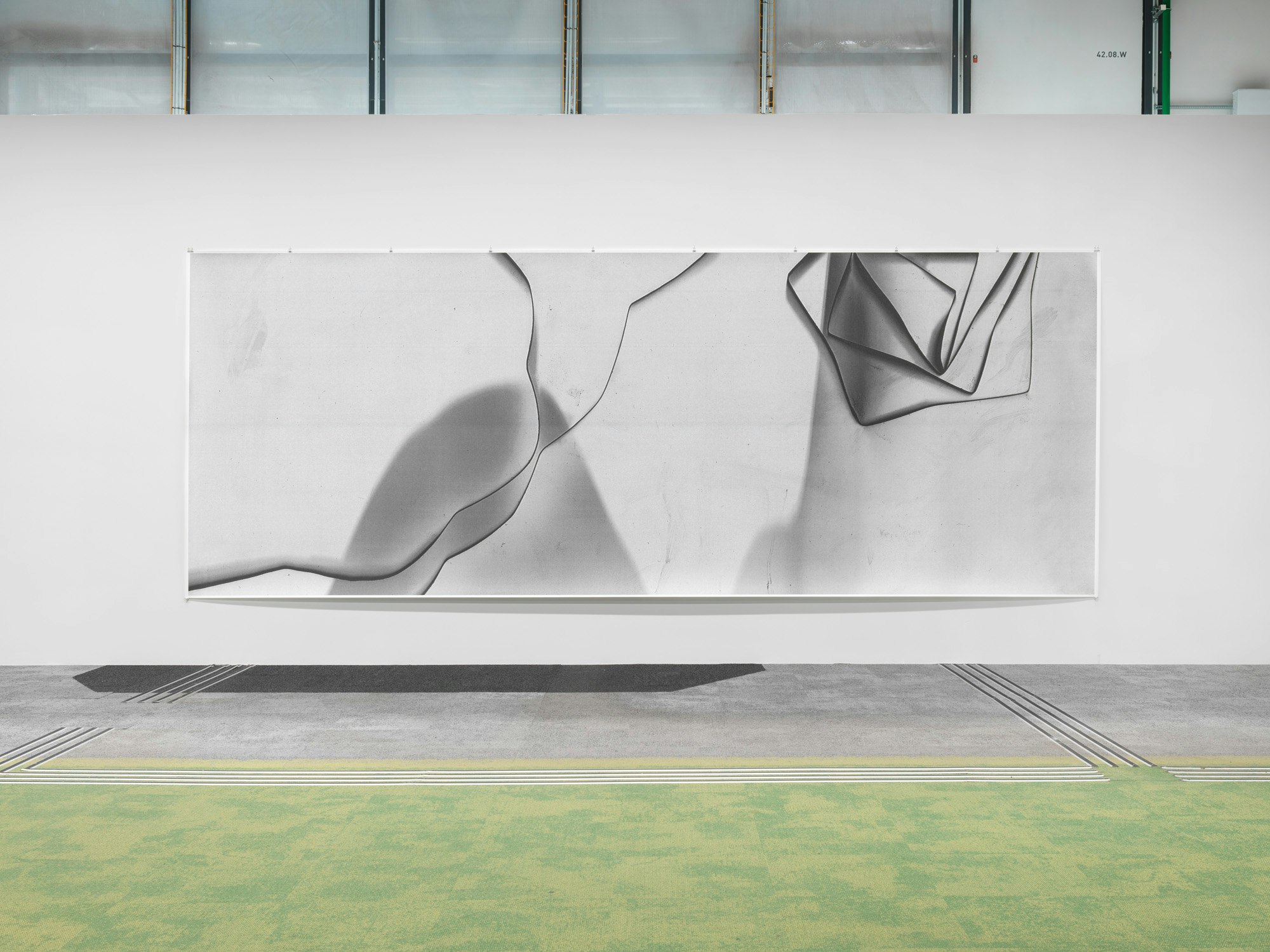
WOLFGANG TILLMANS
WOLFGANG TILLMANS
Interview by
Bartolomeo Celestino
Time to read
10 min
WOLFGANG TILLMANS
Interview by
Bartolomeo Celestino
Time to read
10 min
“Truth is not only violated by falsehood, it may be equally outraged by silence’ Hans Magnus Enzensberger
BC: It’s strange you mentioned the word “wanting” because I always ask about wanting. When you create a photograph, show, book, or a song, do you feel you’re recording love or reaching for it? Is beauty, especially the kind you find in a frame or a sound or a shape, just another way of wanting things? WT: If photography was an acquisitive technique? A technique to acquire things... I wanted to say it’s not very powerful... Because you’re not owning it. You’re not getting more love or the thing itself. But in the social media use of photography, people show photographs to show that they have more. That they experienced a better life or better time. So there is an acquisitive gesture. But I see my photography more as... I take the photograph so that you don’t need to take more photographs. BC: I feel like when I’m looking at your work, and I’ve been looking at it for 30 years, you’re marking time. Particularly for future generations. Do you see photography as having that role? Can your work be deciphered later, in different contexts? WOLFGANG TILLMANS 27 / 200 WT: When I was younger, I rejected the role of diary or portrait of a generation. I said people are young in my work because I was young and they were accessible to me. It’s work about being alive and being human. But as time progresses, and I now hold an almost 40-year archive, I have a stronger sense of that possibility photography offers... To connect to how a time felt, how time feels. That is incredibly valuable. It allows other generations to see what was possible. Like when we see pictures of a wilderness or undeveloped countryside... We can imagine something we can’t see with our own eyes. Even though I didn’t see myself initially as a history writer, I consciously chose to go with the biggest art publisher, Taschen, in 1995 for my first book, Because I had a sense of what was happening in the early 90s. Free spaces, techno music, acid house, cross-European clubbing, opening of LGBT spaces. It felt new. It wasn’t available 50 or 120 years ago, and might not be in the future. If there are 20,000 books around the world that tell that story, It’s harder to undo that than a small edition book. I’ve always had an affinity for popular culture as well as the refined gallery.


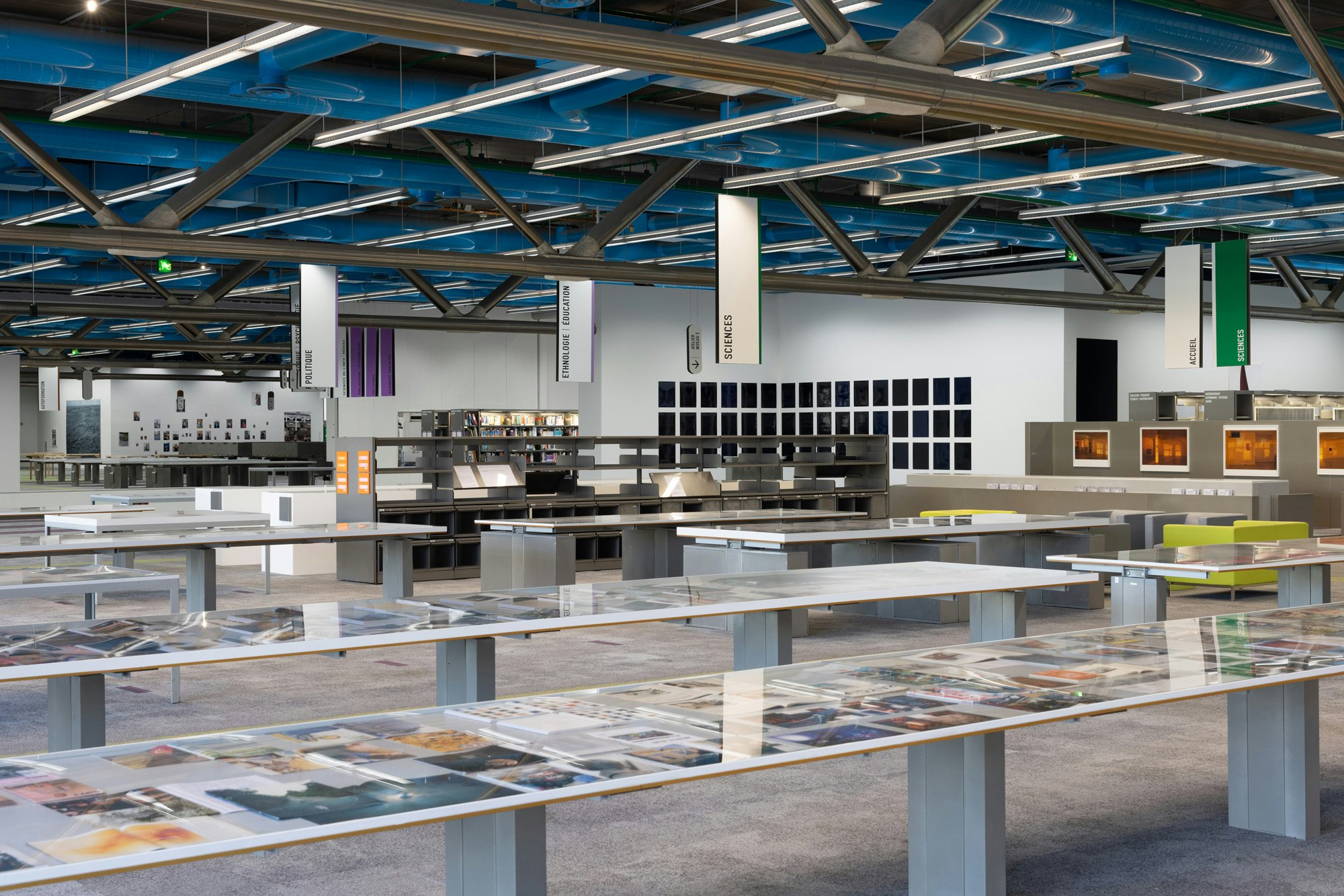
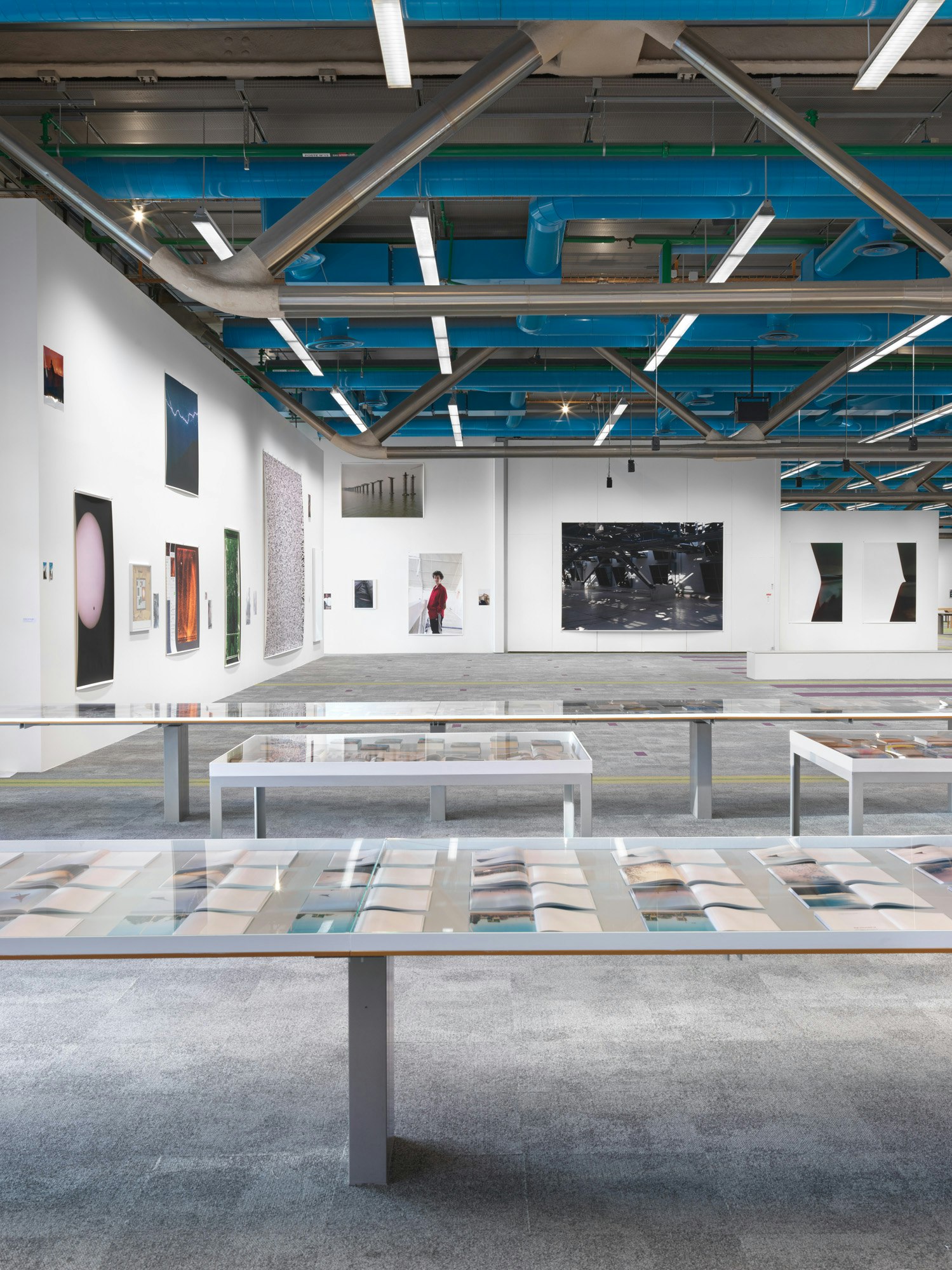
Exhibition views by Wolfgang Tillmans, Jens Ziehe. Table reproductions by Alizée Gousset and Corinna Kranig.
Exhibition views by Wolfgang Tillmans, Jens Ziehe. Table reproductions by Alizée Gousset and Corinna Kranig.


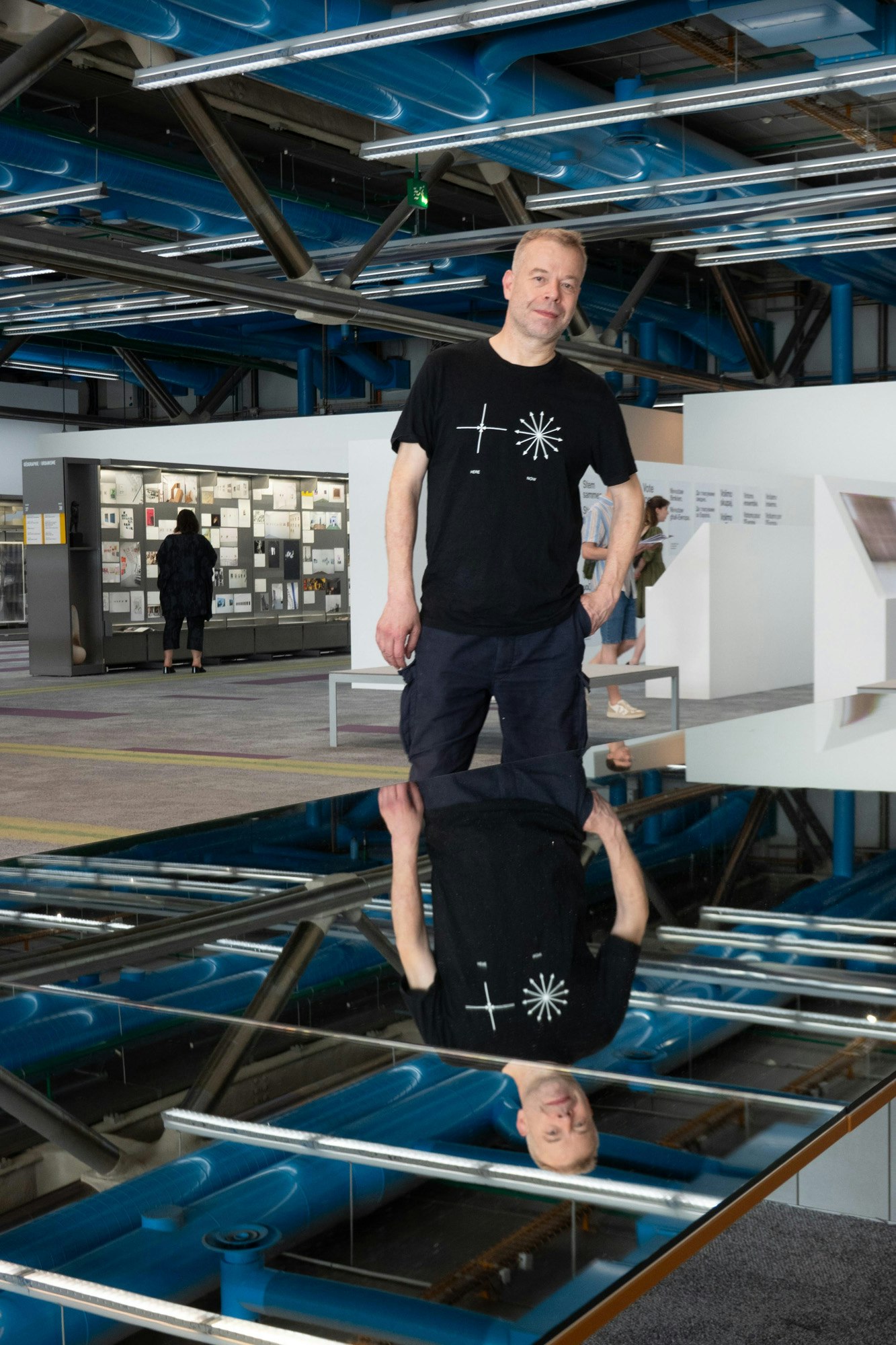
Itsuko Hasegawa photographed by Satomi Yamauchi for PIN–UP.
WT
Hello.
BC
Hello, Wolfgang
WT
Hello. I will also record this for my archive.
BC
Oh, perfect. I can’t record
WT
Do you have a device?
BC
I’ll just record to my phone.



WT: Hello. Can you hear me? BC: Hello, Wolfgang. WT: Hello. I will also record this for my archive. BC: Oh, perfect. I can’t record. WT: Do you have a device? BC:I’ll just record to my phone. WT: Okay. Is the quality okay? BC: It sounds perfect. Thank you for your time tonight. We are on two sides of the world. WT: I know. It really is. BC: Thank you for taking the time to have this chat. I’ll start with a question I’ve been thinking about a bit? Would you say that a photograph is a document or a language? Does it become something else entirely once people start speaking of it, less about recording and more about remembering, imagining, resisting forgetting and evolution? WT:: I have in recent years thought quite a bit about that. In the Spirituality issue of Aperture, which I edited in 2019, I entitled the portfolio ‘Are photographs words?’ And increasingly I believe that the world is developing towards using photographs as language. The whole social media sphere is kind of merging. Photographs become pictograms and vice versa. At the same time, it doesn’t mean that all photographs function this way or that all previous uses of photography are superseded. If one wanted a fatalist or negative cultural outlook, one could say everything is going into the dumpster, but I see it as multi- tiered. What I do in exhibitions, where you’re faced with original prints, is quite different from what goes on on a screen, in your hand.
BC: Do you think the meaning of a photograph changes when it moves from being personal to shared? WT: The meaning of a photograph is nothing fixed, because there’s no meaning in a piece of paper. A photograph is a sheet of paper. It doesn’t have cultural power. It’s only what the human brain does in reaction to seeing it. BC: I always find it difficult to understand the value of things. How do you value a photograph or a note, like in the exhibition I saw notes, fashion magazines, items of clothing. How do you appropriate the value, culturally, personally? WT: That is what I discuss in my work, Symbolically giving the viewer the power to attribute value. By depicting things in as little a manipulated way as possible. My photographic style, if I had to define it, lies in trying to approximate what it feels like to look through my eyes. That has to do with a certain degree of acceptance... To not make more of them, not make less. Seeing them for what they are. Acknowledging where my desire, wanting, ambition, or greed interferes with my perception. What is the thing in front of me, and how do I distort it through my wanting? That’s a lifelong journey. Whenever you think you’re in control of it, you’re not. It’s an ongoing thing, to control your wanting, your greed, your appetite.